
Historical Commodity Market News Stories

El Niño Stresses Crops & Coal; Gold Swings $4k Now
A World Economic Forum alert this week flagged El Niño as a cross-commodity shock that could dent crop yields, reroute coal flows and strain shipping. At the same time, gold saw sharp intraday moves around the $4,000–$4,200/oz band as inflation data and geopolitical anxiety conflicted with rate expectations.

U.S.-Iran Peace Hopes Hit Commodities; Heating Oil!
Optimism around a possible U.S.–Iran peace deal triggered a broad commodity sell-off—Bloomberg Commodity Index fell ~4%, energy led with a ~9% drop—while heating oil bucked the trend with a modest technical-driven rise to about $3.59/gal.

Corn, Soybean Drop; Shanghai Copper Tightens Now!!
A stronger U.S. dollar and favorable Midwest weather drove CBOT corn and soybean futures to multi-month lows, while Shanghai copper inventories fell, signaling tightening supply for industrial metals.

Iran Strike Pause Sends Oil, Gold, Copper Lower
A pause in a planned strike on Iran eased immediate supply fears and knocked oil, precious and base metals lower, while separate U.S. agricultural trade news produced sharp swings in corn, soybeans and feeder cattle. Traders and producers should track geopolitical headlines, export flows and inventories closely as volatility remains elevated.

Kalshi Links Pyth Data; U.S. Egg Prices Crash Now!
Kalshi’s integration of Pyth’s real-time institutional price feeds strengthens settlement accuracy for its commodity event contracts, potentially accelerating adoption of prediction-style trading and improving price discovery. Meanwhile, U.S. egg prices have plunged as supply rebounds from avian influenza, with Midwestern shell-egg receipts near $0.25/dozen and breaker eggs at roughly $0.087/dozen—squeezing producer margins and raising consolidation risk in the poultry sector.

Oil Shocks Lift Commodities; Soybean Prices Climb.
A May 2026 StoneX report shows commodity indexes jumping—driven by oil-price spikes tied to Strait of Hormuz disruptions—while World Bank data flags divergent trends in agriculture: oils and oilseeds rally, yet overall farm prices are set to fall in 2026. The energy-agribusiness link is reshaping price signals across sectors.

Middle East Oil Shock Lifts Metals, Fertilizer Up!
Recent Strait of Hormuz disruptions and related Middle East tensions have pushed oil and petrochemical prices higher, lifting aluminum and broad industrial-material costs, while a sharp jump in urea fertilizer and upward revisions to corn, soybean and wheat farm prices are squeezing agricultural margins.

Oil Rout Lowers Prices, Gold Up; EIA Raises Brent!
A tentative ceasefire and partial Strait of Hormuz reopening spurred a sharp unwind of energy risk premia this week: crude plunged while gold climbed. The EIA nonetheless lifted its 2026 Brent forecast to $96, signaling that supply tightness could keep oil volatile through the year.

World Bank: Commodity Prices to Drop through 2026!
The World Bank forecasts commodity prices sliding to a six-year low in 2026, driven largely by an ongoing oil surplus and weak industrial demand. At the same time, a sharp 21% spike in fertilizer costs is raising immediate food-cost risks for farmers and consumers.
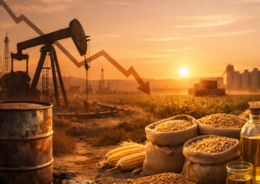
World Bank Sees Commodity Prices Slide to 2026 Low
The World Bank predicts a multi-year decline in commodity prices, driven by an oil surplus and softer industrial demand, while StoneX reports March gains in grains and oilseeds—led by soybean oil—supported by higher crude and cost pressures.

Hormuz Halt Drives Fertilizer Shortage, Copper Up!
A recent stoppage through the Strait of Hormuz has interrupted major sulfur and fertilizer flows, threatening higher fertilizer costs and food-price pressure, while copper continues to climb past €11,000/tonne on transition-driven demand. This article explains the drivers, likely near-term impacts across agriculture and energy, and practical implications for traders, farmers, and policy makers.

EU Targets Foreign Ports, Tightens Oil Routes Now.
The EU's 20th sanctions package proposing measures against Georgian and Indonesian ports (notably Kulevi and Karimun) and the UK’s sanctioning of a tanker delivering to Kulevi escalate enforcement on Russian oil flows. These moves extend pressure beyond state actors to third-country facilities and individual vessels, raising freight, insurance and routing frictions across crude supply chains while signaling tougher asset-level enforcement.

Iran Tensions Lift Oil; USDA Cuts U.S. Corn Stocks
Heightened U.S.–Iran tensions have pushed oil prices higher by increasing the supply-risk premium, while the USDA’s recent WASDE update lowered U.S. and global corn ending stocks. Together these developments are supporting energy prices and tightening agricultural supplies, with knock-on effects for inflation, feed and ethanol costs, and commodity-linked inputs.

State Stockpiles Lift Metals; Sugar Demand Crashes
Recent government stockpiling of strategic metals has pushed prices and policy risk higher across base metals, while GLP‑1 weight‑loss drugs have driven sugar futures to multi‑year lows by suppressing consumption. The dual developments signal rising commodity fragmentation and unexpected demand shocks for agricultural goods.

Shipping Costs Spike: Consumer Prices to Climb Now
Rising shipping and logistics costs—paired with a sharp jump in U.S. natural gas and metals—are amplifying inflationary pressure across supply chains. Procurement surveys and World Bank data show acute cost transmission into consumer goods and industrial inputs.

Currie: Decade of Rising Metals and Minerals.
A late-January 2026 outlook from Jeffrey Currie signals a structural, multi-year upswing across metals and critical minerals driven by de-dollarization, geopolitical risk and supply constraints. India’s Economic Survey concurrently flags continued strength in gold and silver while expecting softer crude and soft-commodity prices—creating divergent pressures for inflation and policy in commodity-importing economies.

Arctic Freeze Sends Gas Soaring; Zinc Tightens Now
A sudden Arctic cold snap drove U.S. natural gas futures sharply higher this week—one of the fastest three-day rallies on record—raising near-term price and infrastructure risks. At the same time, zinc saw a supply-driven uptick amid mine maintenance and reported deficits, tightening conditions for that base metal. Both moves carry implications for energy costs, industrial inputs, and short-term volatility across commodity-linked sectors.

Metals Surge: Gold, Silver, Copper, Tin Rally Now!
A synchronized leap in key metals — gold, silver, copper and tin — pushed several commodities to record highs on January 14, 2026. Geopolitical tensions, questions about central-bank credibility and acute supply disruptions underpinned the move. This article unpacks the drivers, immediate implications for investors and producers, and likely near-term scenarios for metals prices.

Supercycle Revives Commodities, Bonds and Metals!!
A renewed commodities supercycle theme has emerged this week, driving broad inflows into energy, industrials and precious metals, while index-driven rebalancing has temporarily pressured gold and silver. These twin forces—structural demand and mechanical flows—are shaping near-term price dynamics and creating tactical opportunities.

Commodities Supercycle Ignites; Iron Ore Tensions!
A synchronized rally in metals and energy is prompting calls of a new commodities supercycle, driven by inflation dynamics, infrastructure demand and geopolitical supply risks. At the same time, a dispute over iron ore shipments in China — exemplified by a delayed BHP carrier — highlights buyer leverage and shifting pricing benchmarks that could alter steelmaking costs.