
Federal Judge Temporarily Halts Paramount's Acquisition of Warner Bros. Discovery Amid Antitrust Concerns
Sun, July 26, 2026Federal Judge Temporarily Halts Paramount’s Acquisition of Warner Bros. Discovery Amid Antitrust Concerns
In a significant development within the media and entertainment industry, a federal judge has issued a 14-day restraining order to pause the proposed merger between Paramount Skydance and Warner Bros. Discovery (WBD). This decision follows a lawsuit filed by a coalition of twelve state attorneys general, who argue that the merger could violate antitrust laws and reduce competition in Hollywood.
Background of the Merger
The proposed $110 billion acquisition, announced earlier this year, aimed to combine two of the largest remaining Hollywood studios, bringing together major assets such as CBS, CNN, HBO Max, and Paramount+. The deal was expected to close by the end of September 2026, pending regulatory approvals.
Legal Challenges and Antitrust Concerns
The coalition of state attorneys general, led by California Attorney General Rob Bonta, filed a lawsuit seeking a preliminary injunction to block the merger until the case is resolved. They argue that the consolidation would harm competition, particularly in theatrical distribution and cable licensing, potentially leading to reduced movie and TV output and higher prices for consumers.
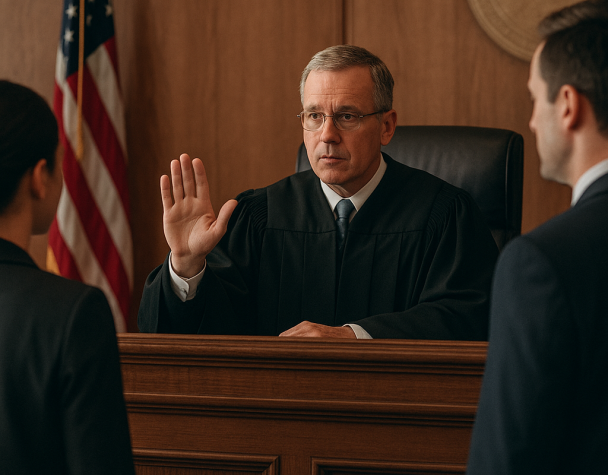
Judge Araceli Martínez-Olguín granted the temporary restraining order, citing serious antitrust concerns and the public’s interest in maintaining competition. The order is set for 14 days but could be extended up to 28 days, with a decision expected at an August 3 hearing.
Responses from Paramount and Warner Bros. Discovery
Paramount has dismissed the antitrust claims as unfounded and misaligned with current market dynamics. The company maintains that the merger would benefit consumers by enhancing creative output and global reach. Despite the legal challenges, Paramount aims to finalize the deal by the end of September.
Warner Bros. Discovery has yet to issue a formal statement regarding the restraining order. However, the company has previously expressed confidence in the merger’s potential to create a more robust and competitive entity in the evolving media landscape.
Financial Implications and Market Reactions
The temporary halt introduces uncertainty for shareholders and potential financial consequences for both companies. Paramount has agreed to pay daily fees if the deal isn’t finalized by September 30, which could be financially burdensome. Additionally, starting October 1, Paramount could owe Warner shareholders approximately $650 million every 90 days the merger is postponed.
As of July 24, 2026, Warner Bros. Discovery’s stock (NASDAQ: WBD) closed at $25.77, reflecting a 1.68% decrease from the previous close. The stock’s performance may continue to be influenced by developments in the merger proceedings and the broader market’s response to regulatory scrutiny.
Industry and Regulatory Perspectives
The Writers Guild of America has also filed a separate lawsuit against the merger, expressing concerns about its potential impact on creative professionals and content diversity. Despite opposition, the U.S. Justice Department, under the Trump administration, has supported the deal, arguing it would benefit consumers. However, this stance has raised suspicions due to politically sensitive ties between the administration and Paramount’s leadership.
Regulatory bodies in several countries have approved the merger, though the U.K. is still reviewing the deal. The outcome of these reviews will play a crucial role in determining the merger’s future.
Conclusion
The temporary restraining order on the Paramount-Warner Bros. Discovery merger underscores the complexities and challenges inherent in large-scale consolidations within the media and entertainment industry. As legal proceedings unfold, stakeholders will closely monitor the situation, considering the potential implications for competition, content diversity, and consumer choice. The upcoming August 3 hearing will be pivotal in determining the merger’s trajectory and its impact on the industry’s landscape.