
UAL Slumps 13% as Fuel Spike Pressures Cargo Revenue
Tue, March 24, 2026UAL Slumps 13% as Fuel Spike Pressures Cargo Revenue
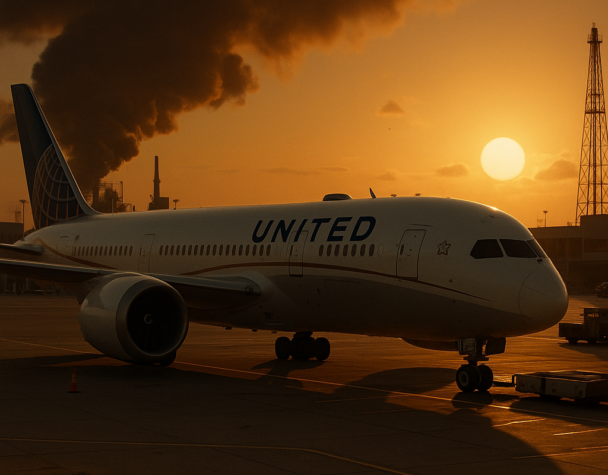
United Airlines (UAL) experienced a notable sell-off in the past week, with shares dropping roughly 13% over a six-day stretch and wiping out an estimated $4.6 billion in market value. The decline was driven by a sharp rise in oil prices that increased near-term cost pressures, accompanied by analyst downgrades that amplified investor concern. At the same time, recent disruptions in air-freight flows — caused by severe weather and evolving trade discussions — are adding complexity to UAL’s revenue mix, particularly its belly-cargo business tied to passenger routes.
What triggered the stock move
The immediate catalyst for UAL’s decline was an uptick in jet-fuel expectations after commodity markets reacted to geopolitical tensions. Airlines are especially sensitive to fuel costs because fuel is one of the largest variable expenses in their operations. When oil prices spike, operating margins can compress quickly unless fares and ancillary revenues rise enough to offset the higher burn rate.
Analyst actions and investor flows
Following the fuel move, several analysts adjusted their outlooks on airline equities, citing higher cost risks and the potential for lower near-term profitability. Those revisions tend to trigger portfolio rotations out of stocks like UAL within the S&P 500, increasing downward pressure on the share price. The magnitude of the six-day decline underscores how sentiment can shift rapidly when cost inputs change materially.
Air-cargo dynamics: headwinds and potential offsets
Meanwhile, the air-cargo side of the business is showing mixed signals. Recent U.S. storms and Asia–U.S. route disruptions have produced temporary backlogs and tighter booking patterns on key lanes. Tighter capacity can push freight yields higher, offering a partial offset to passenger-side cost pressure; however, the benefit depends on how long the tightness persists and whether airlines can monetize that demand.
Trade policy developments that matter
Conversations between the U.S. and India have included proposals to lower certain tariffs substantially, which — if implemented — could stimulate cross-border trade and sustained cargo demand. One reported proposal suggested cutting tariffs from as high as 50% down toward the high teens. Such a change would likely be phased and would take time to flow into stronger belly-cargo volumes, but it represents a constructive tailwind for carriers with significant transpacific exposures.
Investor implications: volatility, hedging, and runway for recovery
For investors, the near-term picture is one of heightened volatility. Key items to monitor are jet-fuel price direction, analyst revisions, and the duration of cargo tightness tied to weather and trade policy. Cargo revenue can act like a partial hedge against weak passenger demand or cost shocks — but it is not a panacea. Fleet utilization, fuel hedging positions, and the ability to reprice seats on affected routes will determine how much of the hit UAL can absorb.
In short, the recent sell-off in UAL is not solely a sentiment move: it reflects concrete, contemporaneous pressures from fuel and operational disruptions, balanced by potential upside if cargo demand strengthens or trade barriers ease. Market participants will be watching subsequent fuel-market moves and company commentary on cargo yields and unit costs for clearer direction.
Conclusion
United Airlines’ stock swing this week underscores how sensitive airline equities are to fuel-price shocks and short-term operational disruptions. While tighter freight bookings and possible tariff liberalization offer partial offsets, investors should weigh near-term margin risks against any medium-term demand improvements when assessing UAL’s outlook in the S&P 500.