
Tyson Q2 Beats, DOJ Probe and Beef-Plant Closures.
Tue, May 05, 2026Tyson Foods: Earnings Strength Meets Regulatory Risk
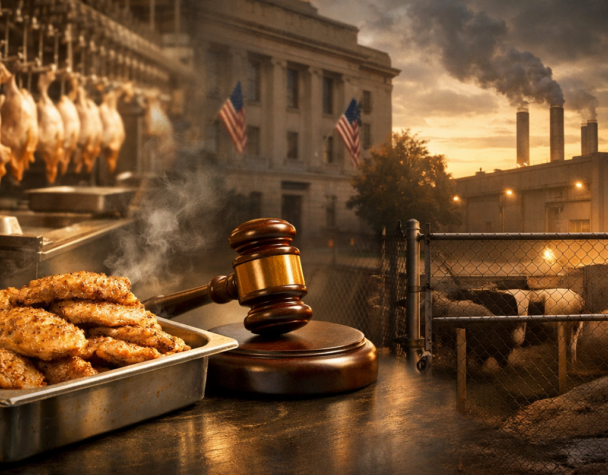
Tyson Foods (TSN) reported a stronger second quarter driven by chicken and prepared foods, improved cash flow and continued debt reduction — yet the company faces new regulatory pressure after the U.S. Department of Justice opened a probe into major beef processors. Operational changes, including targeted plant closures, signal a strategic pivot away from underperforming beef assets and toward higher-margin categories.
Key financial and operational highlights
Quarterly performance at a glance
For the quarter, Tyson reported roughly $13.7 billion in sales and GAAP operating income of about $435 million, with adjusted EPS near $0.87 (GAAP EPS approximately $0.73). The company generated solid operating cash flow (about $829 million) and reported liquidity around $3.7 billion.
Balance sheet and capital deployment
Tyson continued to shrink leverage, cutting total debt by roughly $747 million and returning about $445 million to shareholders year-to-date through dividends and buybacks. Management also raised its fiscal outlook for adjusted operating income by approximately $100 million, reflecting stronger-than-expected chicken and prepared foods performance.
Why the beef segment remains a concern
Supply constraints and footprint rationalization
Persistent cattle supply tightness and elevated cattle costs have pressured Tyson’s beef business. In response, the company has been trimming beef-processing capacity — including reductions in Nebraska and Texas operations — to better align production with current demand and cattle availability.
Plant closures and workforce impact
Tyson is closing a Hillshire Brands contract facility in Rome, Georgia, by the end of May, affecting about 168 workers. The move reflects a broader effort to reallocate resources to higher-growth, higher-margin protein and prepared-food businesses.
Regulatory development: DOJ antitrust investigation
Scope and implications
On May 4, the U.S. Department of Justice confirmed an investigation focused on alleged anticompetitive conduct among four large U.S. beef processors — Tyson, JBS USA, Cargill and National Beef. The DOJ has amassed a substantial volume of materials from the industry, a sign the probe is extensive. While the investigation does not imply wrongdoing, it introduces legal and reputational risk that could affect pricing, contracts, or lead to litigation or remedies if violations are found.
What this means for investors
- Short-term volatility: Regulatory scrutiny often prompts investor caution; TSN share performance may be sensitive to updates from the DOJ.
- Potential financial exposure: Fines, settlements or mandated structural changes could carry material costs if the probe results in enforcement action.
- Strategic insulation: Tyson’s growth in chicken and prepared foods, plus stronger cash flow and lower debt, provide some buffer against downside risk.
Investor takeaway
Recent results show Tyson successfully shifting momentum into chicken and prepared foods while improving liquidity and capital returns. However, near-term upside is tempered by the underperforming beef segment and meaningful regulatory risk from the DOJ probe into major beef packers. Operational moves such as plant closures demonstrate a deliberate reallocation of resources but also carry transition costs and labor impacts.
Overall, Tyson’s underlying cash generation and guidance lift signal resilience, yet the combination of supply-driven beef weakness and an active antitrust inquiry creates a watchlist of execution and regulatory milestones that will matter for TSN’s performance in the coming quarters.