
Tyson Foods Plans Amarillo Second Shift as Rancher Partnership Targets Beef Supply
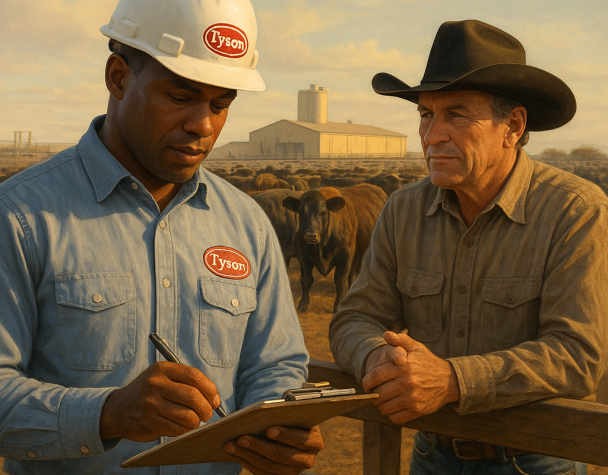
Mon, November 16, 2026Tyson Foods is preparing to restore a second production shift at its Amarillo, Texas, beef plant while pursuing a long-term partnership with Allied Beef, a consortium of American ranchers and feeders. The company announced the plans on November 9 as it works to address persistent cattle-supply constraints affecting its beef operations.
Tyson said the additional shift is expected to be fully operational by summer 2027. The Amarillo facility has operated with a single full-capacity shift since earlier in 2026, a move that affected approximately 1,700 workers, according to reporting from Reuters and Bloomberg News.
Tyson targets a more integrated cattle supply
The proposed Allied Beef partnership is intended to connect Tyson more directly with ranchers and feeders across Texas, Oklahoma, New Mexico and other states. Tyson said the arrangement is designed to support a more economically sustainable model across the cattle supply chain, improve supply reliability and help strengthen domestic beef production.
The announcement comes as U.S. cattle supplies remain unusually tight. Higher livestock costs have pressured meatpackers, while elevated retail beef prices have not fully offset the impact on processing margins. Tyson has already reduced capacity and restructured parts of its beef network in response to the difficult operating environment.
For investors, the Amarillo plan represents a longer-term capacity decision rather than an immediate earnings solution. The second shift is not expected to be fully restored until 2027, and the partnership’s financial impact will depend on cattle availability, plant utilization and the cost of sourcing livestock.
TSN shares remain below recent highs
Tyson Foods shares closed at $58.82 on November 13, down 1.13% for the session, based on the specified market-data feed. The stock movement occurred ahead of the company’s scheduled fiscal fourth-quarter earnings conference call on November 16, and available reporting does not establish that the Amarillo announcement caused the decline.
Tyson’s upcoming earnings update is expected to provide investors with more detail on the beef segment, including the effects of cattle costs, recent network changes and the company’s outlook for fiscal 2027. Management commentary on the timing and economics of the Amarillo expansion will also be important because the plant’s second-shift restoration carries both potential operating benefits and additional labor and supply-chain requirements.
The central investment question is whether Tyson can secure enough cattle at workable costs to make expanded beef capacity profitable. Until supplies improve, the partnership and Amarillo expansion offer a possible foundation for future recovery, but they do not remove the near-term pressure created by the cattle shortage.