
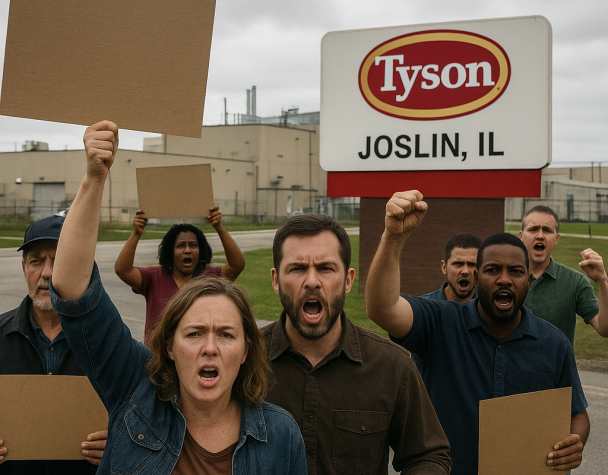
Tyson Foods’ Joslin, Illinois Plant Closure Sparks Labor Backlash as Workers’ Pay Ends October 12
Mon, October 12, 2026Tyson Foods’ abrupt closure of its Joslin, Illinois beef processing plant, originally announced on August 13, is now generating renewed attention as workers face the end of their regular pay on October 12. Around 2,495 employees were affected by the shutdown, which began immediately with state notices filed just hours before production ceased. Two months on, families and communities are feeling increasing economic strain. This development underscores the human cost of Tyson’s ongoing restructuring efforts and the broader challenges facing the meat processing industry.
Closure Impact Hits Home—Joslin Workers Brace for Pay Halt
On October 5, workers and community members voiced growing concern as the scheduled end of pay reaches its deadline. The plant’s shutdown on August 13 left nearly 2,500 workers without income, and local requests for support indicate deepening hardship in the Quad Cities region. Many affected households now rely on food and clothing assistance, spotlighting the social fallout of Tyson’s relocation strategy.
Closure Part of Broader Beef Segment Restructuring
Tyson Foods’ closure of the Joslin facility forms part of a broader effort to streamline its beef operations, driven by compressed margins and a tightening supply of cattle. Alongside the Joslin shutdown, the company has shuttered operations at its Eagle Mountain, Utah case-ready facility and announced plans to sell its Pasco, Washington plant. At the same time, Tyson is consolidating processing capacity at fewer sites and increasing operations in Amarillo, Texas, as supply conditions allow.
This realignment reflects strategic adjustments in Tyson’s beef business amid a historic cattle shortage, with the company shifting toward more concentrated operational hubs to manage inefficiencies and input constraints.
Why It Matters to Investors
While Tyson Foods hasn’t tied this labor fallout to immediate financial consequences, the unfolding workforce and social challenges may carry indirect implications for investor sentiment and brand reputation. These human costs reinforce the tangible risks and complexities tied to Tyson’s broader restructuring strategy—particularly as it seeks to navigate immense supply-chain pressures in its beef segment.
— As October 12 arrives, close attention will be paid to any statements from Tyson or local officials regarding worker support or transitional measures. The outcome may influence future community relations and shape investor perceptions of Tyson’s operational restructuring moving forward.