
TJX Boosts Store Ambitions Amid Mix Challenges in Apparel Segment
Sun, September 13, 2026The TJX Companies signaled renewed confidence in its strategic expansion by raising its long‑term global store target, while acknowledging operational issues in its apparel-focused segments are weighing on short‑term performance.
Apparel Segment Snags in Q2 Temper Growth Momentum
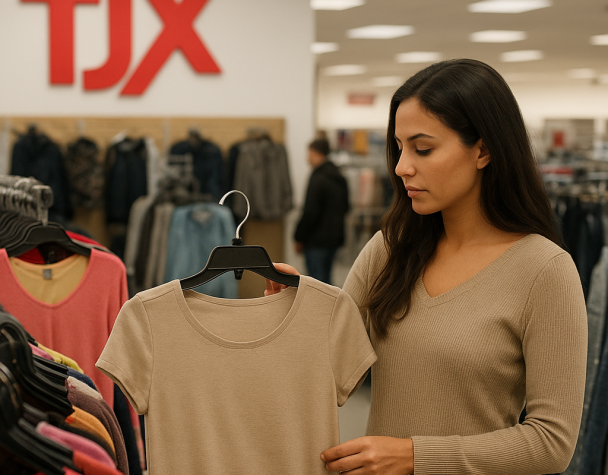
In its second quarter earnings released August 19, TJX flagged underperformance at its Marmaxx division—incorporating TJ Maxx and Marshalls—as factor dampening results. The company’s CEO Ernie Herrman characterized the issue as “self‑inflicted,” noting the merchandise mix lacked basic and impulse items in the right stores at the right time. This misstep overshadowed otherwise solid performance and sparked a roughly 3 percent drop in shares on the day of the announcement. The sluggish apparel sales raised concerns ahead of the back‑to‑school and holiday seasons.
The retailer nevertheless raised its full‑year profit guidance, voicing confidence in driving traffic and sales during the latter half of the fiscal year. Herrman reiterated the company’s intention to open more stores starting next year, underlining a long‑term growth strategy despite recent apparel misalignment.
Store Expansion Plans Gain Traction
The company reinforced its aggressive expansion strategy, increasing its long‑term global store target to 7,500 locations. The breakdown includes plans for an additional 300 Marmaxx stores and 200 HomeGoods stores. At the end of the quarter, store count and selling square footage were up approximately 3 percent year‑over‑year. Net sales for Q2 rose to $15.2 billion—up 5 percent—and comparable sales climbed 4 percent. HomeGoods outperformed apparel, contributing more to both quarterly and six‑month comp gains. TJX returned $1.3 billion to shareholders through dividends and share repurchases during the quarter.
Tariff Pressures and Operational Efficiency in Focus
TJX reported approximately $490 million in IEEPA‑related tariff payments, with no receivable recorded for potential refunds as of August 1. Inventory levels rose modestly, with average per‑store inventories up 2 percent. On the interest income side, net interest income improved from $27 million a year earlier to $31 million. These factors underscore the company’s ongoing efforts to manage costs amid geopolitical and supply‑chain volatility.
Implications for Investors
TJX’s boosted store target reflects management’s long‑term confidence in the off‑price retail model, particularly in HomeGoods. That segment continues to outperform, while the apparel side needs sharper execution. Investors may view the expanded growth projection as a positive indicator that the company expects to convert its scale advantage into continued market share gains.
However, recent share declines—courtesy of execution issues in Marmaxx and tariff-related cost pressures—serve as a reminder that operational precision remains crucial. Monitoring how well TJX executes its merchandise strategy and balance across segments, especially heading into peak shopping seasons, will be essential.
For now, the strategic pivot to accelerate store openings and the robust HomeGoods performance offer constructive reasons for cautious optimism, even as apparel challenges persist.