
Teradyne: Robotics Win and U.S. Factory Drive 2026
Tue, March 24, 2026Introduction
Teradyne (TER) has surfaced in recent headlines for two concrete operational developments that directly affect its near- and medium-term financial outlook: a confirmed customer “plan of record” for its robotics unit and the opening of a U.S.-based manufacturing capability to support volume scaling. At the same time, strength within the semiconductor equipment space is improving order visibility for Teradyne’s core semiconductor test products. This article synthesizes those events, explains their implications for TER stock, and outlines how they could reshape Teradyne’s revenue mix and margins into 2026.
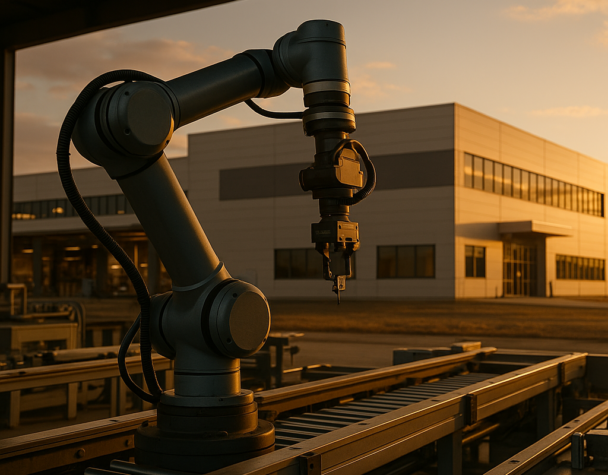
Robotics: Firm Customer Commitment and Capacity Expansion
Locked-in demand via a plan of record
Teradyne disclosed a formal plan of record with a large robotics customer—an agreement that goes beyond informal interest to a concrete schedule of anticipated orders. Such commitments are meaningful because they convert uncertain backlog into forecastable demand, enabling better production planning and clearer revenue timing. For Teradyne, this contract is expected to materially contribute to robotics revenue in 2026, even if near-term contributions remain modest while production ramps.
New U.S. manufacturing to support scale and resilience
To fulfill the plan of record and to improve supply-chain robustness, Teradyne is establishing manufacturing capacity in the United States. Moving production closer to major customers reduces lead times and supply risk and helps Teradyne capture operating leverage as volumes grow. Although the facility requires upfront capital and may pressure margins in the short run, it is a structural investment that supports margin expansion once utilization rises.
Semiconductor Test: Sector Strength Reinforces Tailwinds
Equipment demand remains healthy
Even amid broader equity market volatility, semiconductor-equipment-related names have shown resilience tied to AI infrastructure and advanced-node investments. This general strength in equipment spending bodes well for Teradyne’s semiconductor test business, which directly serves foundries and chipmakers increasing capacity for AI accelerators and next-generation nodes.
Order visibility and backlog implications
When equipment demand is strong, test-system vendors typically see improved order books and longer visibility into future revenue. For Teradyne, this environment should translate into steadier semiconductor-test replenishment and potential upgrades as customers qualify new systems for advanced packaging and wafer-scale requirements.
Financial and Strategic Implications for TER Stock
- Revenue mix shift: The robotics segment is positioned to move from a smaller, investment-heavy division to a meaningful revenue contributor in 2026 if the customer plan executes as disclosed.
- Margin trajectory: Short-term margin pressure is possible due to capital and ramp costs for the U.S. factory, but the long-term expectation is improved operating leverage as robotics volumes climb and fixed costs are absorbed.
- Reduced execution risk: A signed plan of record reduces the uncertainty that often surrounds robotics adoption cycles, making forward estimates more reliable.
- Complementary semiconductor tailwinds: Strength in equipment spending complements Teradyne’s core test business, helping stabilize top-line growth while robotics scales.
What to monitor next
Key near-term indicators include order intake trends for both robotics and semiconductor test, utilization rates at the new U.S. facility, and any updates from Teradyne’s major robotics customer about production timing. Quarterly commentary that quantifies expected robotics contribution and margin progression will be especially relevant to investors assessing TER stock.
Conclusion
Teradyne’s recent announcements—specifically the plan-of-record robotics commitment and the establishment of U.S. manufacturing—are tangible operational developments that move the company’s robotics business from potential toward probability. Coupled with enduring strength in semiconductor equipment demand, these developments position Teradyne for improved revenue diversification and margin upside into 2026. Investors and analysts should prioritize concrete execution metrics in upcoming disclosures to evaluate how quickly those benefits materialize.