
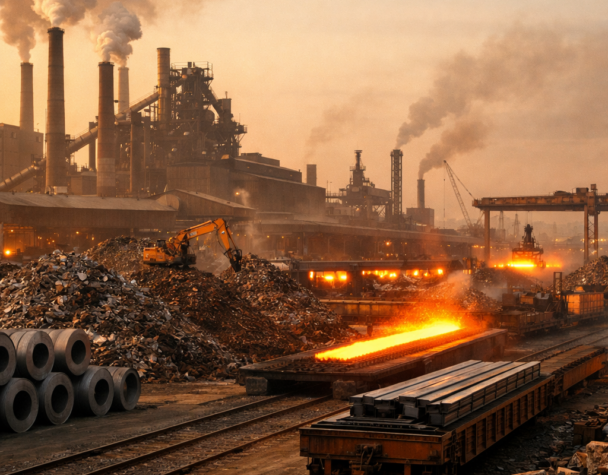
STLD Surges: Q1 Shipments, Pricing, Backlog Up Now
Tue, April 28, 2026STLD Q1 Momentum: Shipments, Pricing and Backlog Drive Upside
Steel Dynamics (STLD) entered the spring quarter with tangible operational traction: record shipments, firmer selling prices and a backlog that pushed well into late 2026. Those concrete developments powered a notable stock move and offer a clearer line of sight for near‑term results across the company’s steel, recycling and fabrication businesses.
Quarterly Performance Highlights
Key financial metrics
For Q1, Steel Dynamics reported net income of roughly $403 million (about $2.78 per diluted share) on nearly $5.20 billion of revenue, with adjusted EBITDA in the neighborhood of $700 million. Steel operating profit expanded materially versus the prior quarter, driven by higher shipments and improved net selling prices.
Pricing and input costs
Average external selling prices rose from the prior quarter, with reported product prices near $1,193 per ton. At the same time, ferrous scrap costs climbed — a dynamic reflected in a per‑ton scrap estimate around $396. The price recovery helped offset higher input costs and supported margin expansion in core steel operations.
Segment Breakdown: Steel, Recycling, Fabrication and Aluminum
Steel operations
The steel segment posted a double‑digit sequential improvement in operating income (about a 73% increase from the prior quarter), anchored by record shipments. Demand strength came from industrial and commercial construction, warehouses and data centers, where customers continued to place orders that expanded the company’s backlog.
Metals recycling
Metals recycling delivered a substantial sequential rebound in operating income, climbing by more than 150% to roughly $47 million. Higher scrap values and improved market spreads drove the recovery despite some weather‑related shipment softness early in the quarter.
Downstream steel fabrication
Fabrication results remained steady quarter‑over‑quarter with operating income near $90 million. Shipments increased while margins were squeezed by elevated input costs—yet the order backlog for fabricated products is significantly higher than a year ago, extending visibility into late 2026.
Aluminum ramp
Steel Dynamics’ newer aluminum operations showed expected growing pains. The segment posted an operating loss in Q1 (on the order of $65 million) attributable to startup costs, inventory adjustments and brief operational stoppages in January. Management reported progress—product certifications completed and hot‑side operations running—and expects production to ramp toward targeted volumes during Q2.
Balance Sheet, Cash Flow and Capital Allocation
Liquidity remains a strength, with about $2.0 billion available (including roughly $800 million in cash and investments plus a $1.2 billion revolver). Operating cash flow was positive for the quarter, enabling a 6% dividend increase and $115 million of share repurchases while keeping several hundred million dollars of buyback authorization available.
Planned capital expenditures for 2026 are targeted near $600 million, focused on capacity, technology and the aluminum ramp. Management’s capital decisions show a balance between reinvestment and returning cash to shareholders.
What the Backlog and Orders Signal
A standout datapoint is the order backlog, which expanded by more than 38% year‑over‑year. That backlog—across structural, fabricated and light‑gauge products—provides multi‑quarter revenue visibility and reduces near‑term uncertainty. For an industrial company, a deep, growing backlog behaves like a revenue spring; it smooths production planning and supports margins when shipping schedules accelerate.
Near‑Term Considerations for Investors
- Operational momentum in steel and recycling is measurable and already reflected in results.
- The aluminum business remains a watchpoint: losses are to be expected during scale‑up, but certification and ramp milestones reduce execution risk.
- Input cost volatility, particularly scrap, will continue to influence segment margins; pricing discipline and contract mix will be important.
- Strong liquidity and a shareholder‑friendly approach (dividends plus buybacks) provide financial flexibility.
Conclusion
Recent, verifiable developments at Steel Dynamics show a company executing across multiple fronts: record shipments and firmer prices lifted steel and recycling earnings, backlog growth extended revenue visibility, and disciplined capital allocation supported shareholder returns. Near‑term upside rests on sustaining pricing dynamics and executing the aluminum ramp, while the robust backlog offers a buffer against cyclical swings in demand.
These outcomes are driven by concrete operational results rather than speculation—making STLD’s current trajectory a function of delivered performance and measurable milestones across its core businesses.