
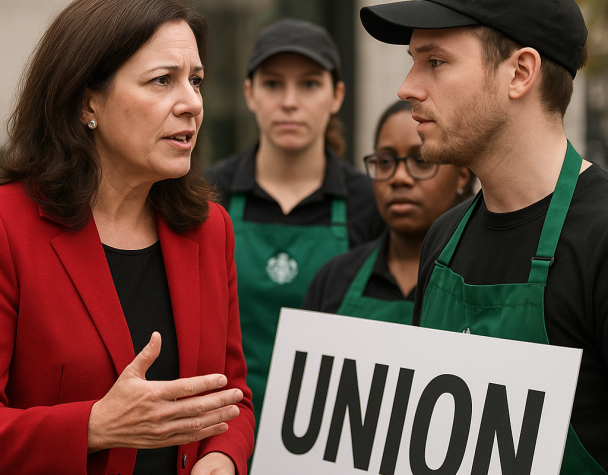
Nashville Mayor Backs Starbucks Workers’ Union Push Amid Rising Labor Focus
Sun, October 04, 2026Nashville Mayor Freddie O’Connell last week publicly expressed support for Starbucks baristas organizing for improved pay and benefits, positioning himself between the company and labor interests. This surprising political move underscores growing scrutiny of labor practices in the hospitality sector, including at prominent restaurant chains like Starbucks.
Political Backdrop Meets Corporate Strategy
Mayor O’Connell’s attendance at a union event in Nashville in support of Starbucks employees comes at a time when the city also sees significant corporate investment from the coffee giant. By signaling solidarity with organizing workers, the mayor is navigating a delicate balance between labor advocacy and economic development—especially as Nashville has emerged as a key location for Starbucks’ expansion and operational projects.
Why This Matters for Starbucks
This development shines a spotlight on labor relations scrutiny within the hospitality industry—a sector already grappling with margin pressures, workforce shortages and mounting union activity. Starbucks, which has faced labor movements across the U.S., including strikes and union drives, now confronts political attention at the municipal level. Any escalation in organized labor efforts could influence operational costs and employee relations.
What Investors Should Watch
- Whether Nashville becomes a high-profile testing ground for labor concessions or broader corporate-labor negotiations affecting Starbucks nationwide.
- Potential ripple effects on investor sentiment around labor costs, particularly if pushback from local politics influences store operations or employee compensation.
- How publicly traded hospitality companies brace for increasing intersection of labor activism and local government involvement.
Although this is not a financial event directly impacting Starbucks’ stock price—currently trading at $94.71 as of October 2, 2026—the attention tied to labor dynamics reflects broader industry scrutiny. Investors may want to monitor evolving labor relations and any costs or operational impacts that emerge from heightened political support of unionization efforts.