
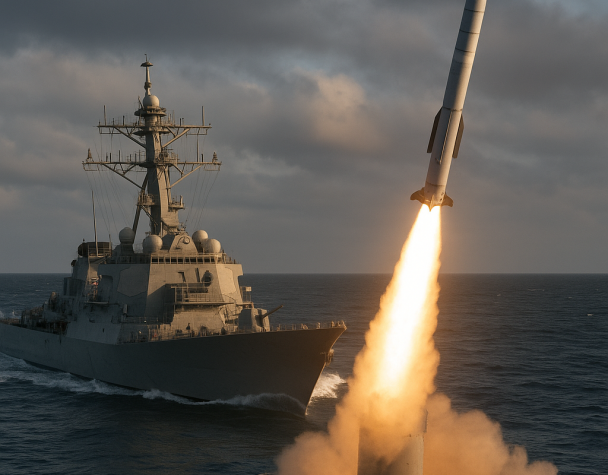
RTX Sees Strategic Defense Momentum with New Navy Missile and SM‑3 Production Deals
Thu, September 10, 2026RTX (NYSE: RTX) continues to fortify its defense business with two significant developments that unfolded over the past week—moves that underscore its growing role in replenishing critical missile stockpiles and highlight increasing military demand.
New Navy Missile and Missile Framework Agreements
RTX’s Raytheon unit has secured a substantial new contract to supply Tomahawk missiles, reinforcing its position in long-range strike capabilities. The award supports a ramp-up to annual production of over 1,000 missiles—a clear indication of heightened demand for precision armaments.
Simultaneously, RTX and Boeing have signed a multi-year framework agreement with the U.S. Department of Defense to boost production of Standard Missile-3 (SM‑3) Block IB/IIA components. This agreement spans seven years and is intended to strengthen the U.S. and allied missile defense supply chain.
These developments reflect strategic alignment with Pentagon priorities and cement RTX’s pivotal role across missile systems such as Tomahawk and SM‑3.
Implications for RTX Stock and Defense Backlog
While specific stock movements could not be conclusively tied to these events due to the absence of immediate financial reporting linking stock changes to the contracts, they contribute to strengthening RTX’s defense backlog profile. RTX’s backlog already stood at about $289 billion at the end of Q2 2026, with $119 billion allocated to defense, reflecting a 22% year-over-year increase.
This environment of heightened missile demand, particularly for Tomahawk and modern interceptor systems, reinforces longer-term tailwinds for RTX’s defense segment.
Summary
In the past week, RTX confirmed material progress in defense order flow through its Tomahawk missile contract and extended SM‑3 production framework. These contracts represent substantial additions to RTX’s defense portfolio, aligning with U.S. military restocking and modernization efforts. Investors and industry watchers should monitor how these agreements contribute to backlog growth and reinforce the company’s leadership in missile defense.