
Pentagon and RTX Forge Seven-Year SM‑3 Missile Framework Amid Supply Chain Expansion
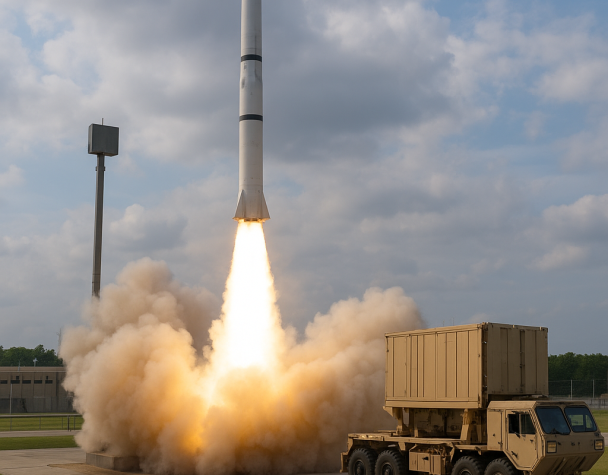
Thu, August 27, 2026RTX (NYSE: RTX) confirmed this week it is part of a new seven‑year Pentagon framework agreement to scale production of key components for the Standard Missile‑3 (SM‑3), a central interceptor in the U.S. Aegis Ballistic Missile Defense System.
The U.S. Department of Defense announced the deal on August 14, 2026. The framework agreement, which also includes Boeing, targets production of avionics and ejector assemblies for SM‑3 Block IB and IIA variants. While not yet a firm contract, it is intended to support higher production volumes as Congress finalizes multi‑year procurement deals, reinforcing U.S. sea‑based missile defense capabilities.
According to the Pentagon, the agreements aim to enable increased output of ship‑launched surface‑to‑air interceptors—the backbone of Aegis defense operations. Boeing remarked that it will supply critical components to Raytheon, a subsidiary of RTX. RTX acknowledged the framework and noted it is “advancing the framework agreements RTX signed earlier this year.”
This move follows an earlier framework agreement RTX entered in February with the Department of Defense to support production of SM‑3, Tomahawk, AMRAAM, and SM‑6 missiles.
Strategic Context and Supply Chain Resilience
CEO Chris Calio emphasized that these five U.S. munitions framework agreements set the stage for a decade of potential demand for Raytheon products—though none are yet reflected in the company’s current backlog. The company is actively working to convert these framework deals into definitive contracts through productive discussions with the Pentagon.
Calio added that Raytheon has more than doubled output across its critical munitions programs in the first half of 2026 compared to the prior year, including a surge in Coyote counter-UAS effector production. In response to rising demand, RTX is investing in supply-chain resilience by expanding manufacturing capacity and onboarding secondary and tertiary suppliers in constrained production areas.
Implications for RTX Investors and Stock Performance
This development represents a material step toward extended defense production commitments for RTX. The framework agreement signals forward visibility into potential revenue streams, enhanced supply‑chain robustness, and alignment with U.S. defense priorities.
While a direct impact on RTX share price is not established, these developments enhance the company’s positioning for long‑term munitions supply. Investors may view the potential conversion of framework agreements into firm orders as a positive signal for future defense pipeline and profitability.
What’s Next
Moving forward, investor attention should focus on whether and when these framework agreements are converted into multi‑year contracts. Updates to RTX’s backlog or revenue guidance, or noted supply‑chain expansions tied to these components, would be meaningful indicators.
Given the strategic importance of Aegis‑defense systems and increased defense spending, the evolution of these frameworks into confirmed deals may significantly support RTX’s defense segment growth in the coming years.