
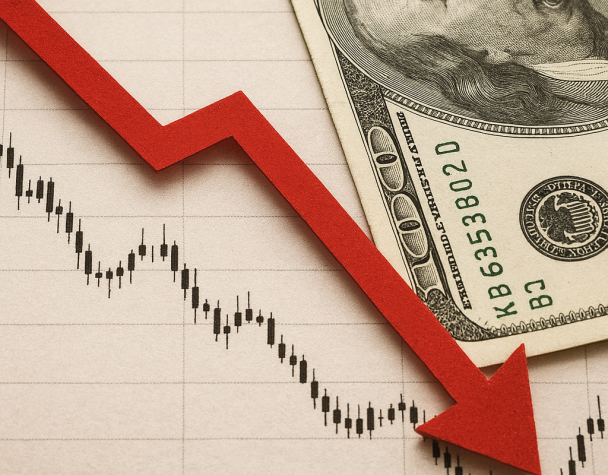
PayPal Shares Decline Over 4% This Week Despite Three‑Month Outperformance Metrics
Tue, October 06, 2026PayPal Holdings (NASDAQ: PYPL) saw a weekly decline of approximately 4.1%, underperforming both the broader S&P 500, which dropped around 0.2%, and the wider fintech sector (FINX), according to recent performance data as of October 2, 2026.
Despite this pullback, PayPal continues to outpace its benchmarks over longer time horizons. The stock is up around 1.0% over the past month—slightly trailing the S&P 500’s 1.3% gain—but notably ahead over three months, delivering a return of about 16.4% versus the S&P 500’s 3.6% over the same period. These figures underscore PayPal’s recent relative strength amid broader sector volatility.
However, the weekly decline suggests renewed caution among investors. With no major company-specific announcements driving the move, it appears more reflective of short-term sentiment shifts rather than fresh developments.
Outperformance Despite Short‑Term Headwinds
The three-month performance advantage affirms that PayPal has retained momentum, underscoring investor confidence in its ongoing strategic initiatives. At 6.4%, the company also holds a significant weight within the Global X FinTech ETF (FINX), reinforcing its role as a fintech bellwether.
Analyzing the weekly slide in isolation, the lack of a clear catalyst—such as earnings news, regulatory developments, or major partnerships—suggests that the decline may reflect rotations within sector fund positioning or broader sentiment adjustments rather than company-specific concerns.
What’s Next in Focus
Investors will likely look to upcoming earnings for directional clarity. Metrics such as transaction volume, margin performance, and progress in PayPal’s evolving product ecosystem—including Venmo monetization, BNPL expansion, and AI-driven checkout enhancements—may shape perceptions on whether the current decline signals a repricing or is simply a pause in a broader uptrend.
For now, PayPal continues to offer relative strength over the intermediate term, even as short-term fluctuations raise questions about market sentiment dynamics within the fintech space.