
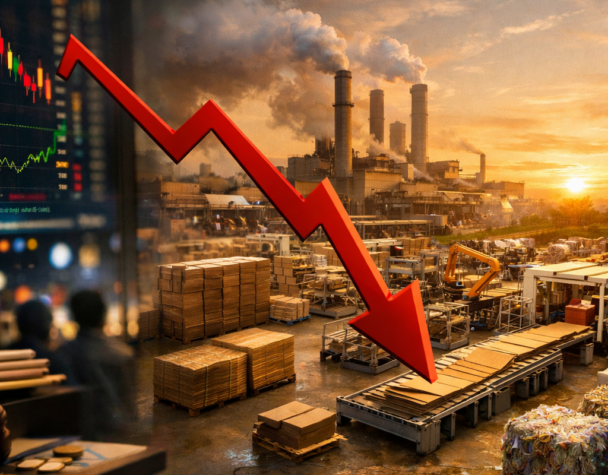
PKG Volume Spike, Earnings Miss, Cost Pressure Q4.
Tue, April 21, 2026PKG under the microscope: volume surge and earnings shortfall
Packaging Corporation of America (PKG) drew heightened investor attention in early April after an unusually large trading session and mixed quarterly results. On April 2 PKG recorded an outsized trading volume — roughly $220 million traded, about a 51% increase versus the prior session — even as the share price dipped about 3.2% as investors parsed the company’s quarterly figures and fresh analyst commentary.
Reported Q4 results showed earnings of about $2.32 per share versus consensus near $2.41, and revenue of roughly $2.36 billion compared with an expected $2.43 billion. Analysts including a recent Deutsche Bank initiation placed a cautious tone on the stock (a $225 target cited in coverage), noting the company’s strong fundamentals—solid return on equity and double-digit year-over-year revenue growth—alongside the near-term miss in top- and bottom-line metrics.
What’s driving the near-term pressure?
Input-cost and trade-policy shifts
Concrete regulatory moves over the past month are altering input and competitive dynamics across packaging. U.S. Department of Commerce measures on polypropylene corrugated imports and trade investigations in the U.K. into glass containers from China and Türkiye introduce new tariff and compliance frictions that can change pricing and supply flows.
At the same time, disruptions to oil and naphtha shipping routes tied to geopolitical tension have tightened feedstock availability for commodity plastics. That supply squeeze makes recycled materials and fiber-based packaging relatively more attractive from both cost and sustainability standpoints—a tailwind for companies focused on containerboard and corrugated packaging such as PKG.
Operational implications for PKG
- Margin dynamics: If plastic input costs rise, demand could shift toward corrugated fiber solutions, which may support pricing power for PKG—but near-term cost pass-through and logistics frictions can compress margins.
- Volume vs. price: The spike in trading volume indicates heightened investor interest and repositioning, but the share-price dip reflects disappointment in quarterly execution versus expectations.
- Institutional positioning: High institutional ownership suggests any change in earnings guidance or visible margin improvement will be rapidly priced into the stock.
Industry signals: automation, sustainability, and the WEPACK show
Industry events last week emphasized themes that matter to PKG’s strategic outlook. WEPACK 2026 in Shenzhen showcased automation, digital print, carbon-footprint measurement, and supply-chain digitalization. Exhibits and white papers emphasized ‘green’ process improvements and end-to-end digital workflows—areas where scale players can capture cost savings or differentiate on sustainability.
For PKG, investments in automation and low-carbon practices could reduce unit costs and bolster customer contracts with sustainability clauses. The trend toward fiber over fossil-based packaging in some applications creates a structural opportunity, especially if regulatory or cost forces continue to favor recycled and sustainable materials.
Investor takeaways
Recent developments create a mix of short-term headwinds and longer-term opportunities. The immediate reaction to PKG’s quarterly results — higher trading volume with a price pullback — reflects the market’s focus on execution versus expectations. Simultaneously, trade measures and feedstock disruptions increase the chance of demand rotation toward fiber-based corrugated solutions, a secular tailwind for PKG if the company sustains execution.
In practical terms, investors should watch three signals closely: (1) management commentary and guidance on pricing and cost pass-through in upcoming calls; (2) any further trade-policy rulings that affect input costs or competitive imports; and (3) capital expenditures and productivity gains from automation and sustainability programs showcased at industry events.
Conclusion
PKG’s recent trading spike and earnings miss put short-term pressure on the stock, but regulatory shifts and supply-chain developments are tilting some demand back toward fiber packaging. For patient investors, the company’s scale, strong returns, and alignment with sustainability and automation trends could support recovery if management converts those industry tailwinds into measurable margin and volume gains.