
PG&E: Wildfire Costs, Base Charge, and Load Surge.
Tue, April 14, 2026PG&E: Wildfire Costs, Base Charge, and Load Surge.
Introduction
PG&E (NYSE: PCG) is navigating a volatile mix of regulatory change, bill design shifts and shifting demand that together reshape near‑term cash flows and long‑term liability exposure. Recent developments in April and March 2026 — including new analyses of wildfire-related costs, CPUC reform proposals, a mandated monthly base service charge, and accelerating data center and EV demand — deliver concrete implications for investors evaluating PCG’s recovery outlook, earnings stability and regulatory risk.
Wildfire Liability and the Cost Burden
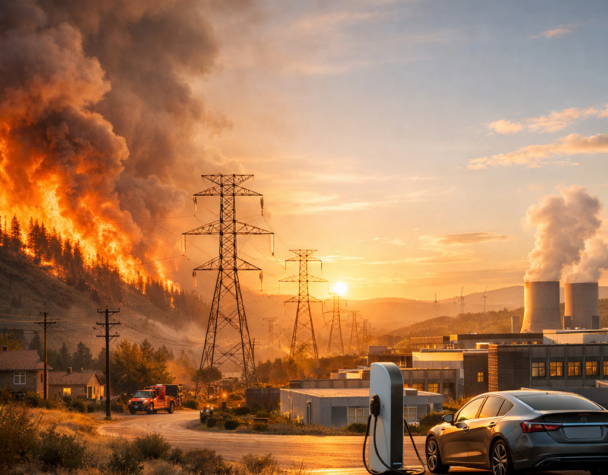
Wildfire exposure remains a dominant driver of PG&E’s credit and valuation story. New analyses released in April 2026 estimate wildfire-related costs are translating into roughly $41 per month added to an average residential customer bill — roughly 19% of the typical bill. That incremental charge underscores how wildfire losses and insurance costs have been internalized into utility economics for California customers and utilities alike.
Regulatory reform proposals from the CPUC
The California Public Utilities Commission and allied agencies submitted forward-looking recommendations addressing wildfire liability and cost-sharing. Key elements include expanding who contributes to the state’s Wildfire Fund beyond utilities (potentially covering local governments), revisiting strict liability doctrines such as inverse condemnation, and exploring use of state general funds or cap‑and‑invest proceeds as supplemental financing sources.
For PG&E, those reforms are material: change to liability allocation or additional public funding avenues can reduce prospective cash‑out risk and improve credit stability. However, these policy solutions require legislative and administrative steps before they materially alter liability exposure on PG&E’s balance sheet.
Bill Structure: The New Base Service Charge
Effective March 2026, a fixed monthly Base Service Charge of $24.15 became part of PG&E bills under California’s AB 205 implementation. The charge is designed to ensure all ratepayers share a baseline contribution toward grid maintenance and fixed costs, regardless of consumption.
Investor implications of fixed charges
From an investor perspective, a larger fixed‑revenue component improves predictability. Fixed charges blunt the effect of volume declines (for example, from increased rooftop solar adoption) and stabilize cash flow against weather‑driven consumption swings. The tradeoff: political and regulatory pushback can arise when bills feel less tied to usage, but for PCG the immediate effect is stronger base revenue and potentially smoother earnings volatility.
Load Growth: Data Centers and EVs as Offsets
On the demand side, PG&E is seeing tangible benefits from data center load growth and faster EV adoption. Management reported that these load trends helped support the company’s ability to lower residential rates — residential electric bills are about 11% lower than they were in January 2024, according to recent disclosures.
Pipeline dynamics and sustainable demand
Although the aggregated data center pipeline contracted from roughly 9.6 GW to 7.3 GW in the latest snapshot, many projects are advancing into final‑engineering stages. That movement matters: loads that reach construction and commissioning translate into multi-year, high‑utilization customers that improve fixed‑cost recovery on PG&E’s network. Similarly, accelerating EV charging growth adds distributed, predictable load that smooths seasonal peaks.
Together, these demand drivers help offset the revenue pressure from wildfire‑related costs and political scrutiny over rates.
What This Means for PCG Investors
These developments create a mixed but increasingly concrete investment case:
- Regulatory risk remains central. Wildfire liability and how California reallocates costs will materially affect PG&E’s long‑term credit risk. Reforms that broaden contributors to the Wildfire Fund or dilute strict utility liability would be credit‑positive.
- Fixed charges improve cash flow stability. The $24.15 base service charge increases predictable revenue, reducing sensitivity to volumetric demand swings and rooftop solar adoption.
- Demand tailwinds are meaningful. Data center and EV load growth provide real, near‑term uplift to utilization and earnings, supporting recent rate relief and offsetting some affordability pressure.
Investors should prioritize monitoring CPUC and legislative steps on wildfire funding and inverse‑condemnation reforms, track progress of major data center projects into construction, and watch political reaction to the base charge implementation as part of the regulatory environment.
Conclusion
PG&E sits at the intersection of tightening cost pressures and stabilizing revenue reforms. The addition of a monthly base service charge and growing utility loads from data centers and EVs strengthen revenue certainty, while wildfire cost burdens and the pace of regulatory reform continue to shape downside risk. For investors focused on PCG, clarity around wildfire fund reforms and sustained load growth are the clearest, near-term drivers of valuation and credit outlook going forward.
Data and regulatory references cited reflect developments reported in April–March 2026.