
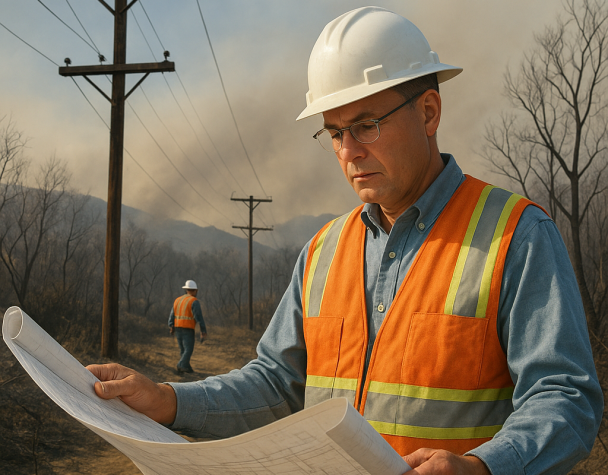
PG&E Files 10-Year Undergrounding Plan for Wildfire Mitigation, Impacting PCG’s Strategic Outlook
Sun, October 04, 2026Pacific Gas & Electric (NYSE: PCG) filed a comprehensive 10-year electrical undergrounding plan on October 1, 2026, aimed at delivering permanent wildfire protection while improving safety, grid reliability, and affordability.
This initiative represents a significant strategic step for PG&E, addressing ongoing concerns around wildfire risk—a persistent issue that has shaped investor sentiment and regulatory scrutiny.
What PG&E’s Plan Entails
According to PG&E’s official announcement, the company proposes to systematically underground its distribution infrastructure over a decade to reduce ignition risk and enhance system resilience. While precise figures were not disclosed in the summary, the scale and timeline reflect a long-term capital commitment toward mitigating wildfire threats.
Why It Matters to Investors
The undergrounding plan directly ties into PCG’s strategic outlook. Infrastructure vulnerabilities—particularly aerial distribution systems—have historically exposed PG&E to wildfire liability and severe financial consequences. By pursuing undergrounding, PG&E is proactively confronting one of its chief investor concerns.
Notably, the plan comes after a July 2026 proposal to defer approximately $2 billion in grid investment due to unresolved wildfire-liability reform in California. That deferral, announced earlier this month, raised fresh questions about PG&E’s capital allocation and regulatory adaptability.
Context: Investment Deferrals and Regulatory Backdrop
In early September (September 3, 2026), PG&E reported it would defer about $2 billion in planned infrastructure spending for 2027. The move was tied to the California Legislature’s failure to enact wildfire-liability reforms, prompting PG&E to review its organizational structure and financing strategy.
This deferral highlighted investor concerns related to regulatory risk and PG&E’s ability to deploy critical infrastructure projects in the current policy environment.
Looking Ahead
With the filing of the undergrounding plan, investors now gain visibility into PG&E’s long-term approach toward mitigating wildfire risk. Success will hinge on regulatory approvals, financing arrangements, and execution capabilities.
Analysts and shareholders will likely monitor how the CPUC and other regulators respond to the plan, whether it aligns with capital structure expectations, and how it interfaces with broader wildfire liability reform efforts at the state level.
In the context of PCG’s broader strategy and risk profile, the 10-year undergrounding plan signals a meaningful attempt to transform structural vulnerabilities into long-term resilience—a development that could gradually reshape investor perceptions of PG&E’s risk-reward balance.