
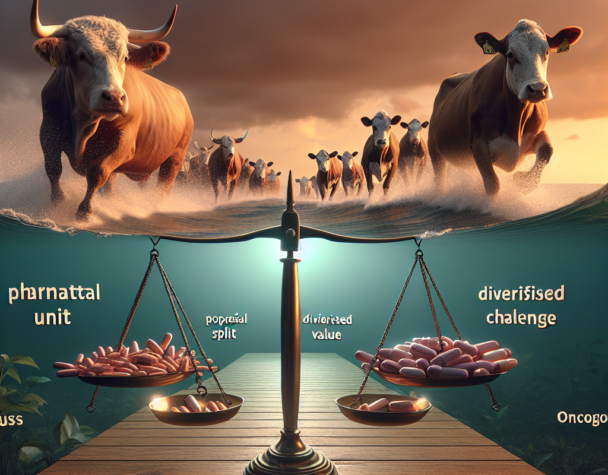
Merck: Keytruda Cliff, Split Plan, Exzolt Upside
Wed, March 18, 2026Introduction
Merck (MRK) stands at a pivotal moment. This week brought concrete developments that sharpen the investment thesis: analysts flagged meaningful 2026 earnings pressure from patent expirations and generic competition, the company is reportedly preparing an oncology/non-oncology split, and Merck Animal Health received a timely regulatory win with conditional FDA approval for Exzolt Cattle-CA1. These events frame a near-term tradeoff between headwinds to the pharmaceutical franchise and upside in animal health.
What Happened This Week
Pharmaceutical headwinds: earnings revisions and generics
Analyst updates released over the past week show a notable downward revision to Merck’s 2026 earnings outlook, reflecting patent expirations and incoming generic competition. Estimates for earnings per share (EPS) were reported to have fallen materially over recent weeks as multiple branded products, including elements in the diabetes and hospital care franchises, face generic pressure. One estimate cited a projected revenue erosion in the order of $2.5 billion for 2026 tied to loss of exclusivity on key drugs.
Corporate strategy: reported oncology split
Reports indicate Merck is preparing to separate its oncology business from non-oncology operations. The move appears designed to protect and highlight the intrinsic value of immuno-oncology assets—most notably Keytruda—as the franchise approaches patent expirations. A strategic split could improve capital allocation, unlock valuation for distinct franchises, and create a more flexible structure for partnerships or portfolio transactions. Execution risk and regulatory, tax, and shareholder approval processes will be key variables for investors to monitor.
Animal health boost: Exzolt conditional approval
Merck Animal Health scored a material regulatory win this week when the FDA granted conditional approval for Exzolt Cattle-CA1, a pour-on parasiticide targeting pests that jeopardize cattle health and productivity. This product, described as a first-in-decades option for certain parasites, is expected to be available by prescription and may deliver meaningful near-term sales growth for the animal health unit. Given the segment’s higher margin characteristics relative to mature human pharmaceuticals, Exzolt could help offset some of the pharmaceutical revenue headwinds.
Implications for Investors
Near-term valuation and earnings outlook
The immediate consequence of the recent news is increased uncertainty around Merck’s 2026 revenue and EPS trajectory. With analysts trimming forecasts and estimating billions in revenue at risk, the stock’s short-term valuation could come under pressure if expectations are not managed. Investors should expect volatility around upcoming quarterly reports and any formal announcements about the proposed corporate restructuring.
Strategic upside from a split
A clean separation of oncology from non-oncology businesses could sharpen investor focus on growth drivers and risks within each entity. For example, an oncology-focused firm could command a premium multiple if Keytruda and other oncology assets retain clinical momentum and market share, while the remaining company could be valued for steady cash flows across vaccines, infectious disease, cardiometabolic therapies, and animal health. The timeline, form, and financial implications of the split will determine whether this is a long-term positive for shareholders.
Animal health as a stabilizer
Exzolt’s conditional approval and the broader strength in Merck Animal Health position the unit as a defensive growth engine. Historically, animal health businesses have provided revenue resilience and margin support when branded human drugs face generic encroachment. Successful commercialization of Exzolt could deliver incremental sales, improve segment margins, and diversify Merck’s revenue base during an otherwise challenging patent cycle.
Market Reaction and Context
Despite looming challenges, Merck’s share price has shown resilience over the last year, reflecting successful launches, M&A activity, and durable demand for key therapies. However, the combination of generics risk and a potential corporate split injects fresh uncertainty. Investors should weigh the company’s near-term earnings revisions against the strategic promise of a re-focused corporate structure and tangible wins in animal health.
Conclusion
The developments this week present a clear — and rational — duality for MRK holders: measurable near-term earnings risk tied to patent expirations versus strategic and product-driven opportunities, notably the Exzolt approval and a proposed oncology split. For investors, the priority is monitoring execution details: official disclosures on the split, quarterly guidance updates that quantify generics impact, and commercialization metrics for Exzolt. These concrete data points will drive how the market re-rates Merck in the months ahead.