
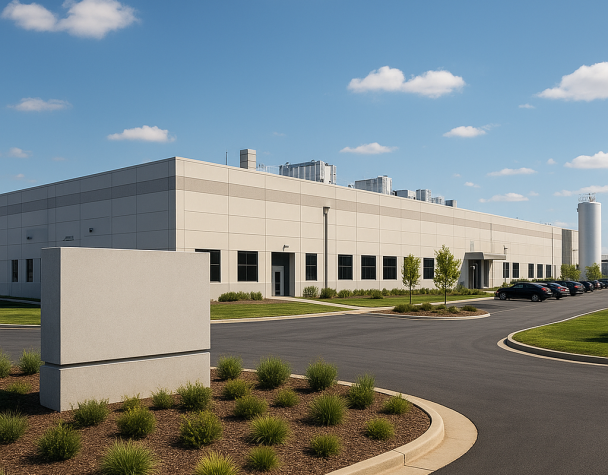
Eli Lilly Expands U.S. Manufacturing with $750 Million Investment in Resilience Facility
Fri, August 28, 2026Eli Lilly & Co. (ticker: LLY) has announced a strategic move to bolster its U.S. manufacturing infrastructure by investing $750 million in a facility operated by contract manufacturer Resilience. The announcement was made on July 30, 2026, underscoring Lilly’s commitment to enhancing production capabilities for its pharmaceutical portfolio, including its high-demand GLP‑1 therapies.
While the announcement coincided with broader market volatility, including an anticipated swing of nearly 6.9% in LLY shares around the firm’s quarterly earnings release, reports do not explicitly link this specific investment to immediate stock movement. Nonetheless, expanding manufacturing capacity could support future supply reliability for key drugs that are central to Lilly’s growth strategy.
Why This Investment Matters
This $750 million investment comes at a critical time for Eli Lilly, as it confronts soaring demand for its GLP‑1 drugs—such as Mounjaro and Zepbound—and looks to secure long-term production scalability. Partnering with Resilience, a leading contract manufacturer, provides Lilly with flexibility and capacity gains without the full upfront cost and complexity of building a new plant.
The move also strengthens domestic pharmaceutical manufacturing, aligning with broader industry and government pushes to enhance supply chain resiliency. While there’s no direct causal link to stock performance, the investment signals proactive infrastructure planning, which investors often view favorably over the medium term.
Stock Context and Performance
Although the $750 million manufacturing investment was disclosed recently, available reporting indicates LLY shares were anticipated to see material movement—up to 6.9% volatility—around the August 5, 2026 earnings release, according to Investing.com analysis. This reflects heightened investor sensitivity during earnings, but not a confirmed reaction to the Resilience investment.
Investors considering Lilly should monitor how the expanded capacity enables product supply, especially amid global demand for obesity and diabetes treatments. Future announcements—such as supply milestones, capacity online dates or guidance updates—would provide clearer visibility on how this investment translates into operational and financial performance.
Bottom Line
Eli Lilly’s decision to invest $750 million with Resilience to expand U.S. manufacturing marks a significant strategic step to support its growth pipeline and ensure supply robustness. While immediate market impact remains unclear, the long-term implications for capacity and resilience position the company well amid accelerating GLP‑1 demand.
Investors should continue watching for updates on activation timelines or related production announcements that may further inform the investment’s tangible returns.