
Kimberly-Clark Faces $600M Ontario Warehouse Arson
Tue, April 21, 2026Introduction
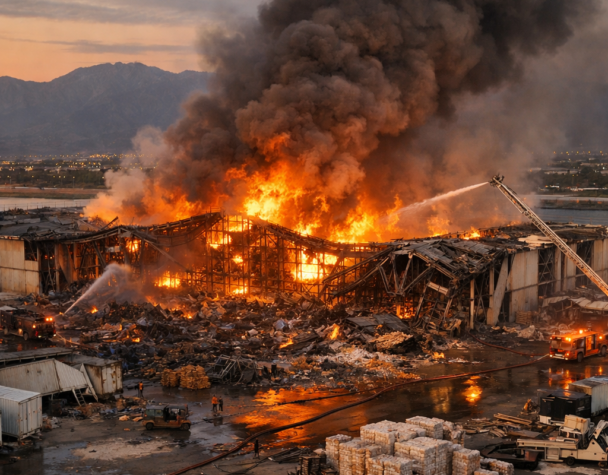
On April 7, a six-alarm fire consumed a Kimberly‑Clark distribution center in Ontario, California, creating a sharp operational shock for KMB. The facility — a 1.2 million square‑foot logistics hub run by third‑party provider NFI Industries — was declared a total loss. Authorities have described the blaze as suspicious and an employee has been arrested on arson-related charges. While no injuries were reported, estimated property damage has been reported at roughly $600 million. For investors and stakeholders, this is a concrete event with immediate ramifications for supply, insurance, and near‑term earnings.
What Happened and Why It Matters
The Incident: Facts on the Ground
The Ontario distribution center played a central role in moving Kimberly‑Clark tissue products — including Scott and other retail brands — to stores across the region. The scale of the facility (about 1.2 million square feet) and the reported magnitude of the loss (approximately $600 million) mean this is not a localized delivery delay; it is a major logistics outage for a significant consumer‑goods company in the S&P 500.
Local law enforcement treated the blaze as criminal in origin and an arrest has been made. Importantly, there were no reported fatalities or severe injuries to employees, which reduces some operational and reputational risk, but the criminal nature of the event adds a layer of legal exposure and complexity to insurance recovery.
Immediate Operational Impacts
- Supply‑chain disruption: The loss of a major distribution hub can cause near‑term stock shortages, delayed replenishment, and reliance on alternate inventory flows. Retail partners may see temporary out‑of‑stocks on tissue SKUs tied to that hub.
- Insurance and financial exposure: The reported damage figure suggests material insured losses and potential premium increases going forward. Insurance proceeds typically mitigate property loss, but deductibles, coverage limits, and litigation (given the alleged criminal act) will influence the net impact.
- Third‑party logistics dependency: Because the facility was operated by NFI Industries, Kimberly‑Clark’s contractual relationships and redundancy plans with logistics partners will determine how quickly inventory can be rerouted and service levels restored.
How This Intersects with Kimberly‑Clark’s Strategy
Offsetting Factors: Product Mix and Margin Focus
Kimberly‑Clark has been pivoting toward higher‑value personal care categories — premium incontinence and functional personal‑care brands — which account for a significant portion of revenue. These products carry higher margins and stronger brand loyalty than commodity tissue lines. That product mix shift can help protect gross margins and cash flow if tissue sales face a short, localized hit.
Operational Resilience: AI and Mill Efficiency
The company has also been investing in AI‑driven energy and production optimizations in its paper mills. Those initiatives aim to reduce variable costs in tissue manufacture, which can partially offset short‑term distribution disruptions by improving unit economics where production remains intact.
What Investors Should Watch
- Company disclosures and guidance: Look for KMB updates on insurance claims, estimated net loss after recoveries, and any temporary guidance changes. Management commentary will be crucial to quantifying the financial hit and timeline for recovery.
- Logistics recovery plans: Evidence that inventory has been successfully rerouted through alternate DCs or third‑party carriers will indicate limited long‑term sales impact. Delays or retailer pushback would be a warning sign.
- Earnings and analyst revisions: Near‑term quarterly results may reflect incremental costs, one‑time insurance items, or service disruptions. Watch analyst notes for revised estimates and margin outlooks.
- Insurance and legal outcomes: The criminal investigation and any related litigation could affect the timing and size of insurance recoveries, and potentially lead to changes in carrier relationships or premiums.
Investor Takeaways
The arson at Kimberly‑Clark’s Ontario distribution center is a significant, verifiable event with measurable impacts: tangible property loss, supply‑chain disruption risk, and potential earnings volatility. However, Kimberly‑Clark’s strategic emphasis on higher‑margin personal care categories and ongoing mill efficiency projects are relevant mitigating factors for longer‑term profit resilience.
For investors, this suggests a two‑track approach: monitor short‑term operational disclosures (insurance recoveries, rerouting progress, retailer fulfillment) while evaluating whether KMB’s product mix and cost‑reduction programs maintain longer‑term margin stability. Near‑term volatility in sales or share price may present an opportunity for investors who assess the company’s recovery execution and balance‑sheet effects.
Conclusion
The Ontario warehouse arson is a concrete, near‑term headwind for Kimberly‑Clark that warrants attention from shareholders and market observers. The company’s ongoing strategic shifts toward premium personal care and improved mill economics provide meaningful context: these initiatives can cushion margins and steady cash flow if management successfully navigates the recovery. The next company updates on insurance, logistics rerouting, and quarterly results will be decisive in quantifying the financial impact and timing of normalization.