
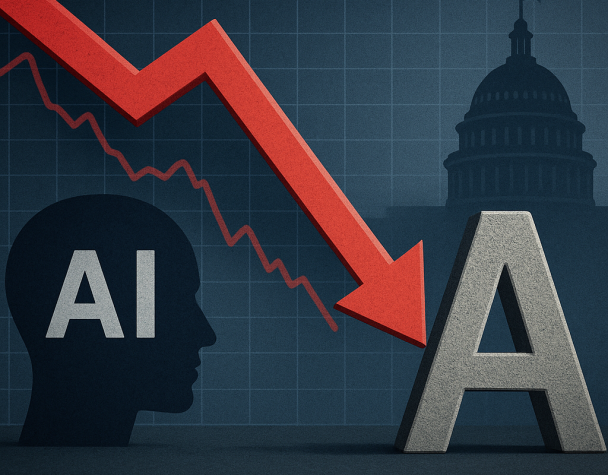
Alphabet's Stock Declines Amid Increased AI Investments and Regulatory Scrutiny
Tue, July 28, 2026Alphabet’s Stock Declines Amid Increased AI Investments and Regulatory Scrutiny
On July 23, 2026, Alphabet Inc. (NASDAQ: GOOGL) experienced a significant stock decline, dropping 7.1%—its worst performance since May 2025. This downturn was primarily driven by investor concerns over the company’s substantial increase in capital expenditures aimed at advancing its artificial intelligence (AI) initiatives. Additionally, regulatory challenges in the European Union have added to the pressures facing the tech giant.
Surge in Capital Expenditures for AI Development
During its recent earnings call, Alphabet announced an upward revision of its full-year capital expenditure budget to a range of $195 billion to $205 billion, up from the previous estimate of $180 billion to $190 billion. This increase is intended to bolster the company’s AI capabilities, particularly in enhancing its Gemini AI model and expanding data center infrastructure. While these investments are aimed at securing a competitive edge in the rapidly evolving AI landscape, they have raised concerns among investors about potential impacts on free cash flow and overall financial health.
Regulatory Challenges in the European Union
Alphabet is also facing heightened regulatory scrutiny from the European Union. Recent directives require the company to share search data and provide greater access to its Android platform for competitors. These measures are part of the EU’s broader efforts to promote competition and prevent monopolistic practices in the tech industry. Compliance with these regulations may necessitate operational adjustments and could potentially affect Alphabet’s market dominance and revenue streams.
Market Reaction and Analyst Perspectives
The combination of increased capital expenditures and regulatory pressures has led to a cautious stance among investors, resulting in the notable stock decline. Despite these challenges, some analysts remain optimistic about Alphabet’s long-term prospects, citing the company’s strong position in the AI sector and its diversified revenue streams. However, they also acknowledge the need for careful management of expenditures and regulatory compliance to maintain investor confidence.
Conclusion
Alphabet’s recent stock performance underscores the delicate balance between aggressive investment in emerging technologies and the financial and regulatory challenges that accompany such strategies. As the company continues to navigate the complexities of AI development and global regulatory landscapes, its ability to effectively manage these factors will be crucial in determining its future market performance and investor sentiment.