
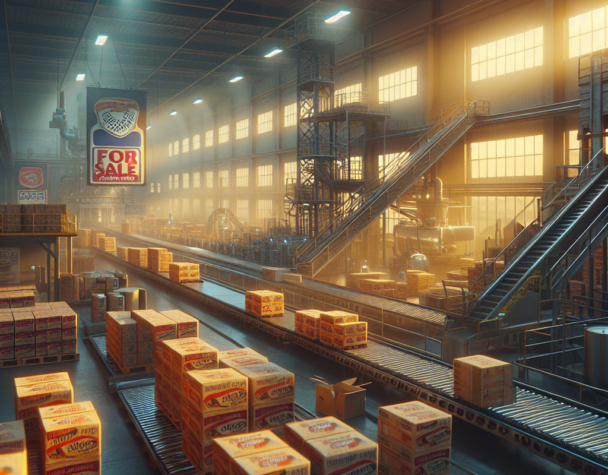
General Mills Recall and Portfolio Shakeup Hit GIS
Mon, February 16, 2026Introduction
General Mills (GIS) has experienced a turbulent week: an expanded recall of Pillsbury Pizza Pops in Canada and the sale of its Muir Glen organic tomato brand coincided with the stock slipping to a 52-week low. These concrete developments — not speculation — reveal both an operational lapse and a strategic reorientation that together help explain why investors are jittery about the company’s near-term prospects.
Operational Disruption: Pizza Pops Recall
Late last week General Mills issued a voluntary recall of Pillsbury Pizza Pops sold in Canada after potential E. coli contamination was identified. Food-safety incidents of this kind tend to produce immediate effects: pulled product, replacement logistics, potential regulatory follow-ups, and the sort of negative headlines that can depress store-level sales for affected SKUs.
Short-term impact on sales and trust
Although the recall is geographically limited, the reputational ripple can be broader. Consumers often conflate safety incidents with brand reliability, and retailers may request additional assurances or tighten stocking decisions. For a company built on recurring household purchases, any dent in consumer confidence can translate into measurable volume declines until trust is rebuilt.
Cost considerations
Beyond lost sales, recalls carry direct costs — product disposal, logistics, testing, and potential settlements — plus indirect costs such as increased insurance premiums or investments in enhanced quality controls. The immediate financial hit is usually modest versus annual revenue, but the strategic cost to brand equity can be disproportionately large for legacy consumer-packaged goods names.
Portfolio Moves: Sale of Muir Glen
Simultaneous with the recall news, General Mills announced the sale of its Muir Glen organic tomato brand to Violet Foods. This divestiture is a clear sign that management is pruning non-core or underperforming assets to sharpen focus on higher-return businesses, such as snacks, cereals reformulations, and pet food.
Why the sale matters
Selling Muir Glen frees up capital and reduces managerial complexity, but it also signals that the company may be stepping away from certain niche organic categories where scale and margin pressures are acute. For investors, the key question is whether proceeds will be redeployed into growth-or-margin-accretive initiatives or used mainly to shore up the balance sheet.
Structural Demand Shifts and the 52-Week Low
On January 5, 2026, GIS shares traded down to approximately $45.14, a 52-week low reflecting more than immediate headlines. Analysts and market observers point to broader consumption shifts — notably changes in appetite and portion preferences tied to weight-loss medications such as GLP-1 therapies — that are eroding demand for some processed and indulgent packaged foods.
Category pressure versus brand strategy
General Mills sits at the intersection of legacy cereal and snack businesses and newer high-growth categories like pet food and protein-forward snacks. When entire categories face secular headwinds, brand-level initiatives (new SKUs, reformulations, smaller formats, price/value offers) must be rapid and resonant to offset volume losses. The recent stock decline reflects skepticism about how quickly and effectively GIS can execute that pivot.
Investor Takeaways
Recent events produce a mixed picture. The Pizza Pops recall represents an operational and reputational shock that requires prompt, transparent remediation. The Muir Glen sale shows management taking steps to refocus the portfolio. Together, these moves explain why the market is applying pressure to GIS: tangible near-term risk plus an ongoing strategic transition.
Investors should monitor (1) recall containment and any regulatory findings, (2) how proceeds from the Muir Glen transaction are allocated, and (3) early consumer response to new product launches targeting protein, value, and smaller-portion formats. Those signals will be decisive in determining whether the recent pullback is a buying opportunity or a warning of deeper demand erosion.
Conclusion
General Mills is navigating simultaneous operational and strategic events that have crystallized into measurable investor concern. The recall and divestiture are not speculative—they’re concrete developments that clarify both short-term exposure and the company’s chosen path forward. Execution on quality control, smart redeployment of capital, and rapid consumer-facing innovation will determine whether GIS can stabilize and regain momentum.