
General Mills Faces Analyst Downgrades Amid Volume Concerns
Tue, July 07, 2026General Mills Faces Analyst Downgrades Amid Volume Concerns
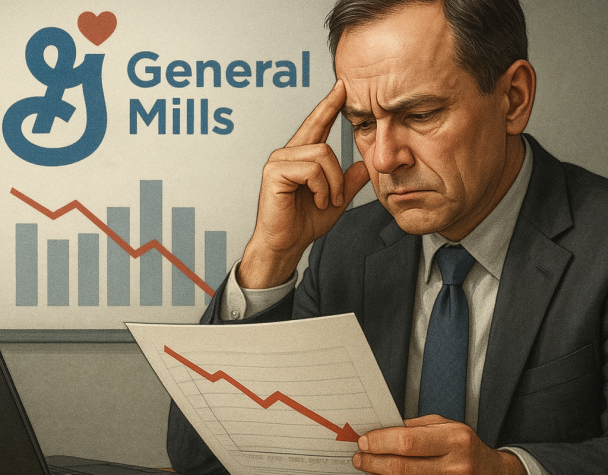
General Mills (NYSE: GIS) has recently encountered analyst downgrades, primarily due to concerns over declining sales volumes. On July 2, 2026, Bernstein SocGen Group reiterated an ‘Underperform’ rating with a price target of $31.00, citing volume concerns. This rating comes despite the stock trading at $37.77 at the time, reflecting a 26% decline over the past year. Bernstein noted that while General Mills’ fourth-quarter fiscal 2026 results showed adjusted EBIT 11.8% ahead of estimates, approximately half of this beat was attributed to timing of trade expenses and retailer inventory benefits. The fiscal 2027 guidance also fell slightly below consensus on organic sales growth and adjusted EBIT.
Similarly, UBS maintained a ‘Sell’ rating with a $47.00 price target on December 19, 2025, despite General Mills reporting better-than-expected second-quarter fiscal 2026 results. The company exceeded forecasts in organic sales, gross margin, and operating profit margin, and reaffirmed its full-year guidance. However, UBS expressed concerns over the stock’s year-to-date total return of -20.12%.
In contrast, Stifel maintained a ‘Buy’ rating following the second-quarter earnings report, highlighting that the earnings per share of $1.10 exceeded both Stifel’s estimate and consensus expectations by $0.07. Despite a 21% year-over-year decline on a constant currency basis, the company benefited from timing advantages in supply chain operations and North American Retail shipments, which are expected to reverse in the third quarter.
As of July 6, 2026, General Mills’ stock price stood at $36.12, reflecting a 3.37% decrease from the previous close. The company’s market capitalization is approximately $19.28 billion, with a price-to-earnings ratio of 8.83 and earnings per share of $4.09. The stock’s performance has been influenced by ongoing concerns over sales volumes and market competitiveness.
In the broader packaged foods and meats industry, Smithfield Foods reported a record adjusted operating profit in fiscal year 2025, driven by strong performance in its packaged meats segment. This success underscores the competitive pressures faced by General Mills in maintaining market share and profitability.
Looking ahead, General Mills aims to restore organic sales growth by investing in brand remarkability, innovation, and consumer value. The company plans to fund these initiatives through cost-saving measures and efficiency improvements. However, the effectiveness of these strategies in reversing the current downward trend in sales volumes remains to be seen.
Investors should monitor General Mills’ upcoming fiscal 2027 guidance and assess the company’s ability to implement its growth strategies effectively. The competitive landscape in the packaged foods and meats industry continues to evolve, and General Mills’ response to these challenges will be critical in determining its future performance.