
First Solar Benefits: U.S. China-Tie Restrictions!
Mon, May 25, 2026First Solar Benefits: U.S. China-Tie Restrictions!
Introduction
This week brought a cluster of concrete developments that directly affect First Solar (ticker: FSLR) and its standing within the S&P 500. Key items include First Solar’s 2026 annual meeting, renewed U.S. scrutiny of solar factories with China-linked ties, and an industry shift as Tesla moves into utility-scale solar equipment. Each event is actionable rather than speculative, and together they sharpen the competitive and policy context that matters to FSLR shareholders.
Key developments this week
1. First Solar’s 2026 Annual Meeting (May 13, 2026)
First Solar completed its annual stockholders meeting on May 13, 2026. The meeting covered routine corporate governance items—board elections, executive compensation and other proxy matters—detailed in the company’s Form 8‑K and proxy filings. There were no surprise strategic pivots announced at the meeting, which signals operational continuity and management stability heading into the rest of 2026.
2. U.S. scrutiny of China-linked solar firms (reported May 8, 2026)
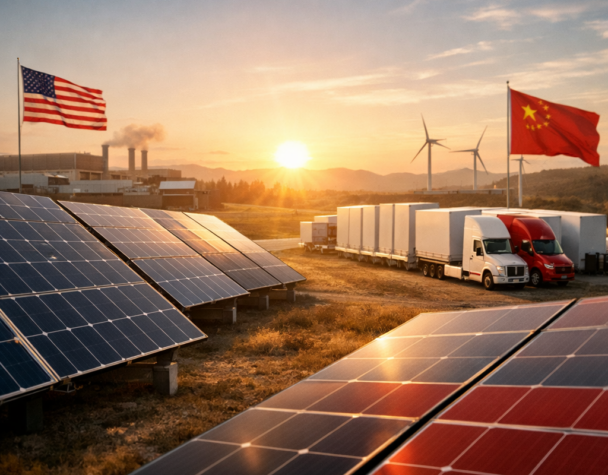
Regulatory and financial stakeholders in the United States have increased scrutiny of solar factories and suppliers with perceived China-linked ownership or supply‑chain exposure. That scrutiny centers on eligibility for federal clean-energy subsidies and related financing/insurance. The practical outcome: firms that are demonstrably independent of China-linked supply chains—like First Solar, which emphasizes U.S.-based thin-film manufacturing—may benefit from clearer access to subsidies, financing and political goodwill.
3. Tesla’s move into utility-scale solar equipment (mid-May 2026)
Tesla has been reported to expand into the utility-scale solar equipment space. While not a direct event tied to FSLR, the entrance of a major vertically integrated player can shift equipment sourcing, cost dynamics and adoption of certain technologies. For First Solar, this creates both potential competitive pressure and downstream opportunities if the U.S. equipment ecosystem strengthens and enables cheaper or faster project scale‑up.
What these events mean for First Solar (FSLR)
Competitive positioning: a tangible advantage
First Solar’s thin‑film manufacturing footprint in the U.S. positions it to pass policy tests aimed at curbing China-linked exposure. That is a structural—if not immediate—advantage compared with firms that rely on crystalline-silicon panels or complex China-based supply chains. In practical terms, eligibility for federal subsidies and easier access to insurance and bank financing can shorten project timelines and improve bid competitiveness for FSLR-backed projects.
Operational and financial implications
- Subsidy access: Reduced uncertainty about subsidy eligibility can lower the effective cost of capital for projects using First Solar panels.
- Project pipeline: Clarity from regulators tends to favor suppliers with transparent domestic supply chains, potentially expanding FSLR’s addressable projects within the U.S.
- Costs and partnerships: Tesla’s equipment entry could compress equipment costs or alter supplier relationships—both upside and downside for FSLR depending on how procurement and alliances evolve.
Risks to monitor
While policy tailwinds are favorable, investors should watch for execution risks: ramp schedules for new U.S. facilities, capital intensity of domestic manufacturing, and margin impacts if equipment or raw-material costs shift. Also, regulatory frameworks can change: tighter standards may help FSLR today but could evolve in ways that require further adaptation.
Investor takeaways
1) The May 13 annual meeting affirms corporate stability rather than delivering new strategic surprises. 2) Elevated regulatory scrutiny of China-linked solar assets creates an identifiable policy advantage for First Solar’s domestic, thin‑film model—this is a concrete, near-term consideration for investors evaluating subsidy and financing exposure. 3) Industry moves such as Tesla’s equipment push are material not because they immediately change FSLR’s fundamentals, but because they can alter cost and supply dynamics over the medium term.
Conclusion
Over the past week the most material items affecting FSLR are regulatory clarity that favors China‑independent manufacturers and industry-level equipment shifts led by large players. Together these factors strengthen the narrative that First Solar’s U.S. manufacturing posture and thin‑film technology deliver a defensible advantage in subsidy eligibility and project procurement. Investors should weigh these concrete policy and industry developments alongside the company’s execution milestones and capital plans when assessing FSLR exposure in the S&P 500.