
Consolidated Edison Faces Analyst Downgrades Amid Grid Reliability Concerns
Thu, July 30, 2026Consolidated Edison Faces Analyst Downgrades Amid Grid Reliability Concerns
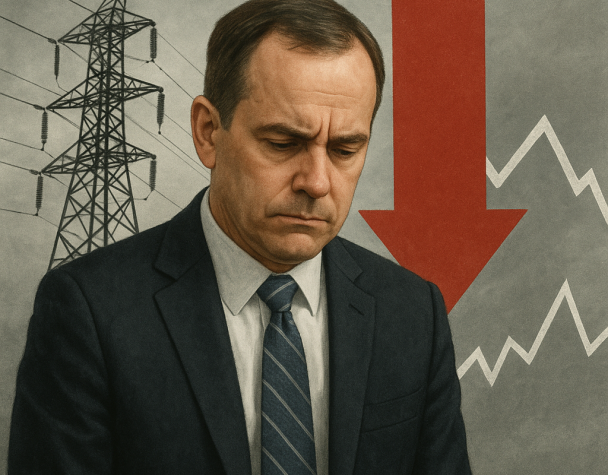
In the past week, Consolidated Edison (Con Edison) has experienced a series of analyst downgrades, reflecting growing concerns over the company’s grid reliability and operational challenges. These developments have had a notable impact on the company’s stock performance.
Analyst Downgrades Reflect Operational Challenges
KeyBanc Capital Markets recently lowered its price target for Con Edison from $97 to $94, maintaining an “Underweight” rating. The firm cited ongoing concerns about the company’s ability to address grid reliability issues effectively. Similarly, Morgan Stanley adjusted its price target from $102 to $105, also keeping an “Underweight” rating, indicating cautious sentiment among analysts regarding Con Edison’s operational outlook.
Grid Reliability Issues Prompt Operational Measures
Con Edison has faced significant challenges in maintaining grid reliability, particularly during periods of extreme heat. The company recently implemented voltage reductions and temporary power cuts affecting thousands of customers in New York City to prevent equipment failures and broader outages. These measures underscore the pressing need for infrastructure improvements to handle increasing demand and environmental stresses.
Financial Performance and Market Response
Despite these operational challenges, Con Edison reported a 10.89% increase in revenue for 2025, reaching $16.92 billion, and an 11.15% rise in earnings to $2.02 billion. However, the stock has shown volatility, with a recent price of $109.09, reflecting a decrease of 2.82% from the previous close. This fluctuation indicates investor sensitivity to the company’s operational and regulatory challenges.
Conclusion
Con Edison’s recent analyst downgrades and operational challenges highlight the critical importance of addressing grid reliability issues. The company’s ability to implement effective infrastructure improvements and manage regulatory pressures will be pivotal in restoring investor confidence and ensuring long-term stability in the regulated electric, gas, and steam delivery sector.