
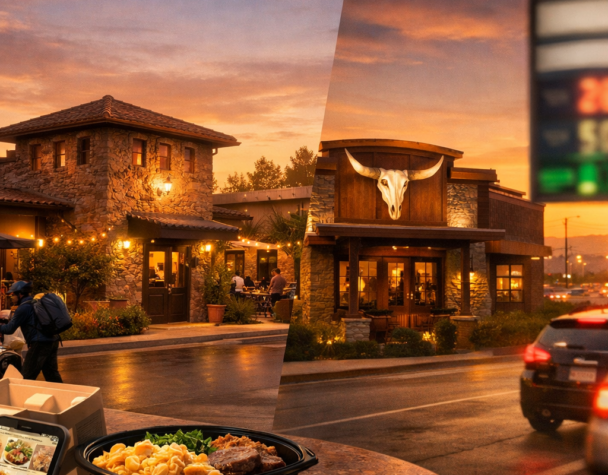
Darden Q3 Upside Olive Garden & LongHorn Drive DRI
Mon, April 06, 2026Darden Q3 Upside Olive Garden & LongHorn Drive DRI
Introduction
Darden Restaurants (DRI) reported a quarter that combined operational momentum with strategic sharpening: meaningful same-store sales gains at core brands, measured digital delivery contributions, and a continued exit from underperforming concepts. Those concrete wins sit alongside macro pressure from rising gas prices, which have recently weighed on the stock. This article breaks down the results, the strategic moves, and the immediate implications for investors and industry watchers.
Quarterly Performance: Numbers That Matter
Darden’s latest quarter showed a clear uptick in top-line performance. Overall sales rose noticeably, led by same-store sales strength at flagship concepts. Olive Garden posted mid-single-digit comparable sales growth while LongHorn Steakhouse outpaced that with stronger comps—illustrating that Darden’s core casual-dining engines are firing.
Brand-level Drivers
- Olive Garden: Continued traction from value-led promotions (for example, the Never Ending Pasta campaign) and steady guest traffic helped sustain comp growth and maintain the brand’s role as a volume driver.
- LongHorn Steakhouse: Strong kitchen execution, lower turnover, and a sharper focus on the dinner occasion supported outsized comps, reinforcing LongHorn’s contribution to margin recovery.
Digital and Delivery Contributions
Darden reported tangible benefits from digital initiatives. Third-party delivery integration—such as the rollout of Uber Direct—added incremental sales and convenience for guests. Management quantified the lift from these digital moves in basis points of overall sales, demonstrating that a disciplined digital strategy is translating into measurable incremental revenue rather than just higher costs.
Portfolio Rationalization: Bahama Breeze Wind-Down
A notable strategic action this quarter was the continued wind-down of Bahama Breeze. By exiting lower-return brands, Darden is reallocating capital and management attention to higher-margin, higher-growth concepts. This kind of portfolio pruning is similar to trimming weaker branches to help a tree put more energy into its healthiest limbs—translating to better long-term returns if execution remains steady.
Macro Headwinds: Rising Gas Prices and Consumer Spending
While operations impressed, external factors have pressured sentiment. Rising gasoline costs can reduce disposable income for dining out and compress casual-dining traffic. The stock has reacted to this macro signal, with recent share-price softness reflecting investor concern that higher fuel costs could blunt discretionary spending trends—even when a company’s fundamentals look sound.
Why Gas Prices Matter for Casual Dining
Gas costs influence both consumer behavior and operating expenses. On the consumer side, higher pump prices can shift spending away from restaurants toward essentials. On the operational side, fuel affects distribution and delivery costs. For a large multi-brand operator like Darden, the net effect depends on whether comp gains and pricing power offset those pressures.
What This Means for Investors
Darden’s quarter underscores two clear takeaways: operational execution is improving across key brands, and strategic portfolio discipline is underway. Those are favorable long-term signs. However, near-term investor returns will likely remain sensitive to macro variables—chiefly gas prices and consumer confidence. For risk-aware investors, the current setup represents a company with durable brand assets and an active management playbook, tempered by economic sensitivity inherent to casual dining.
Conclusion
Darden delivered a quarter of measurable progress—same-store sales gains at Olive Garden and LongHorn, incremental lift from digital delivery, and decisive portfolio moves with the Bahama Breeze exit. These fundamentals contrast with short-term share-pressure driven by rising fuel costs and consumer-spending concerns. In sum, Darden’s business appears structurally resilient, though the stock will remain exposed to macro swings that affect discretionary dining.