
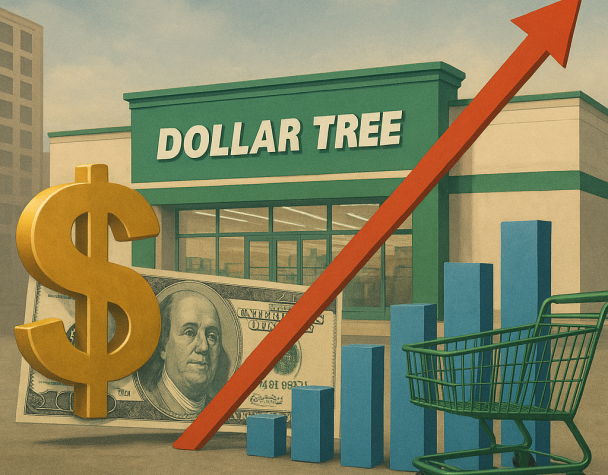
Dollar Tree's Strategic Moves Amidst Retail Expansion and Market Challenges
Tue, July 07, 2026Dollar Tree’s Strategic Moves Amidst Retail Expansion and Market Challenges
As of July 6, 2026, Dollar Tree Inc. (NASDAQ: DLTR) experienced a notable stock price decline, closing at $121.46, down 3.87% from the previous day. This movement reflects the company’s recent strategic decisions and the evolving landscape of the discount retail sector.
Divestiture of Family Dollar
In July 2025, Dollar Tree completed the sale of its Family Dollar business to Brigade Capital Management and Macellum Capital Management for approximately $1 billion. This divestiture aimed to streamline operations and focus on the core Dollar Tree brand. CEO Mike Creedon stated that this move marked a defining moment for the company, allowing it to concentrate on delivering value through its primary brand.
Store Closures and Pricing Adjustments
In March 2026, Dollar Tree announced the closure of over 75 stores and an increase in product prices. This decision was driven by rising operational costs, including labor and utilities, as well as challenges like theft. Financial counselor Robin Valadares noted that raising prices was necessary to maintain product quality and operational viability.
Competitive Retail Landscape
The discount retail sector is witnessing significant expansion from competitors. Costco plans to open 26 new warehouses, Aldi is launching over 180 stores, and Trader Joe’s is adding more than 20 locations. This aggressive growth is driven by consumer demand for value and bulk savings, especially amid sustained high grocery prices. The increased competition may lead to more choices and potentially lower prices for consumers, impacting Dollar Tree’s market share.
Financial Performance
In the first quarter of fiscal 2026, Dollar Tree reported a net sales growth of 7.2% and a comparable store net sales increase of 3.5%. Diluted earnings per share from continuing operations stood at $1.76. The company also returned $595 million to shareholders through share repurchases during the quarter. These figures indicate a positive financial trajectory, yet the recent stock price decline suggests investor concerns about future performance amidst industry challenges.
Conclusion
Dollar Tree’s recent strategic decisions, including the divestiture of Family Dollar and store closures, reflect its efforts to adapt to a rapidly changing retail environment. However, the expansion of competitors and rising operational costs present ongoing challenges. Investors and stakeholders will closely monitor how these factors influence Dollar Tree’s market position and financial health in the coming quarters.