
Disney Pivot: D’Amaro, ESPN NFL Deal & AI Bets Now
Wed, February 04, 2026Disney Pivot: D’Amaro, ESPN NFL Deal & AI Bets Now
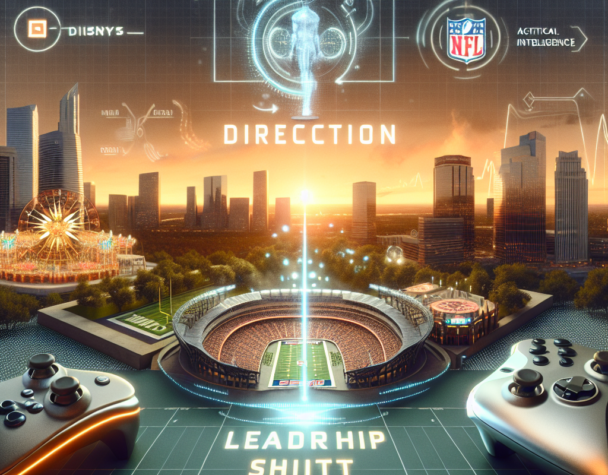
Over the past week Disney (DIS) produced a string of concrete, company-level developments that directly affect investor outlook for the Dow 30 blue‑chip. Management announced a CEO succession plan that elevates theme‑parks chief Josh D’Amaro, ESPN closed a strategic deal to bring NFL Network and RedZone into its fold with the league taking a minority stake, and Disney expanded its AI and gaming footprint via partnerships with OpenAI and an equity investment in Epic Games. Each item is transactional and reportable — not speculation — and collectively they shift Disney’s operational emphasis toward experiences, live sports, and immersive content.
What Happened: Key, Verifiable Moves
Leadership transition: Josh D’Amaro named CEO (effective March 18, 2026)
On February 3, 2026, Disney announced that Josh D’Amaro, currently chairman of Disney Experiences, will succeed Bob Iger at the company’s March 18 annual meeting. Iger will remain on the board as a senior adviser through the end of 2026 while Dana Walden assumes the role of President & Chief Creative Officer to oversee creative output. The handover formalizes a governance shift that places the highly profitable Experiences division at the center of executive leadership.
ESPN acquires NFL Network & RedZone; NFL takes 10% stake
Also reported in early February 2026, ESPN agreed to acquire NFL Network and RedZone rights, and the NFL will receive a roughly 10% ownership stake in ESPN as part of the transaction. The deal includes integration of NFL fantasy assets and signals meaningful content consolidation for live‑sports distribution ahead of the next NFL season.
AI and gaming commitments: OpenAI tie‑up and Epic Games investment
Disney confirmed a multi‑year collaboration with OpenAI to enable user‑generated short video experiences featuring Disney characters, and disclosed a roughly $1.5 billion equity investment in Epic Games to accelerate shared virtual‑world initiatives using Fortnite and Unreal Engine technologies. These moves expand Disney’s footprint in interactive and AI‑driven content ecosystems.
Why These Events Matter to DIS Stock
Near‑term sentiment and leadership clarity
A defined succession reduces governance uncertainty that can weigh on blue‑chip stocks in the short term. For investors, D’Amaro’s promotion signals an emphasis on operational execution at parks and resorts — the division that has historically generated high margins and predictable cash flow. Markets often reward reduced management risk, provided the new team demonstrates continuity in strategy and financial discipline.
Monetizing live sports and advertising upside
Adding NFL Network and RedZone strengthens ESPN’s content moat. Live sports command premium ad rates and attract loyal subscribers, which can improve linear and streaming monetization. For DIS shareholders, this could translate to higher advertising revenue and better retention/ARPU for ESPN’s platforms — observable metrics to watch in upcoming quarterly reports.
Longer‑term growth vectors: AI, gaming, and experiences
The OpenAI collaboration and Epic Games stake are explicit bets on immersive, interactive engagement that targets younger audiences and non‑traditional revenue streams: in‑game monetization, virtual goods, and AI‑enabled content services. Execution risk is real, but these initiatives are tangible strategic investments that could diversify revenue beyond parks and streaming over several years.
Risks and Watch‑Items for Investors
- Streaming performance: While experiences and sports are growth levers, Disney’s streaming arm still contributes materially to valuation; subscriber trends and content costs remain critical.
- Execution at the top: Leadership changes must translate to steady creative output and fiscal discipline—monitor guidance and management commentary at the March annual meeting.
- Regulatory/rights integration: Content acquisitions require smooth contractual and technical integration; advertisers and subscribers will watch product rollouts beginning this spring.
- Capital allocation: Large strategic investments (gaming, AI partnerships) will compete with buybacks, dividends, and park capital expenditures—follow capital‑return language and spending plans.
Conclusion
Last week’s announcements are substantive, company‑level catalysts for Disney’s stock in the DJ30. The leadership change centers profitability and execution in Experiences, the ESPN–NFL deal strengthens Disney’s live‑sports and advertising franchise, and the OpenAI/Epic relationships expand long‑term digital engagement pathways. For investors, the near‑term focus should be on management’s communication at the March annual meeting, quarterly indicators from parks and ESPN, and early metrics from any pilot launches tied to the AI/gaming initiatives.
These are actionable, verifiable developments that reframe Disney’s strategy away from abstract talk and toward identifiable revenue and experience channels.