
Deere & Company Grants Farmers Right to Repair Amid Regulatory Settlement
Sun, July 12, 2026Deere & Company Grants Farmers Right to Repair Amid Regulatory Settlement
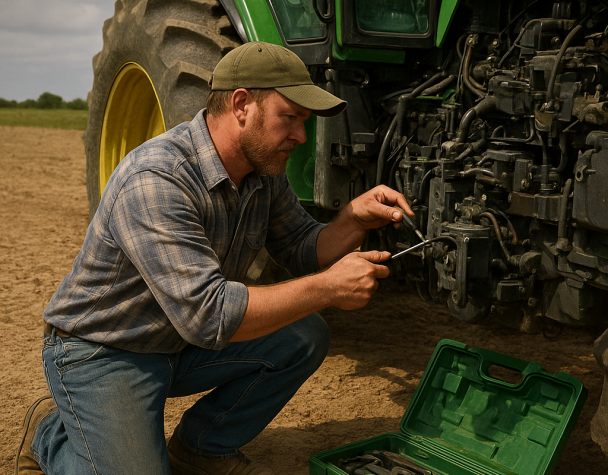
In a landmark decision, Deere & Company, commonly known as John Deere, has agreed to a settlement with the Federal Trade Commission (FTC) and attorneys general from five states—Arizona, Illinois, Michigan, Minnesota, and Wisconsin—granting farmers and independent repair shops the right to repair their own equipment. This settlement addresses longstanding concerns over the company’s restrictive repair policies.
Background of the Settlement
For years, John Deere faced criticism for limiting access to essential diagnostic software and tools, effectively compelling customers to rely exclusively on authorized dealers for repairs. This practice was perceived as anticompetitive, restricting farmers’ autonomy and increasing maintenance costs. The recent settlement mandates that Deere provide the same diagnostic and repair tools to equipment owners and independent repair shops as it does to its dealer networks. Additionally, the company is prohibited from retaliating against those who conduct independent repairs. Deere will also pay $1 million to cover the states’ enforcement costs and will be under regulatory oversight for the next decade. This agreement follows a $99 million class-action settlement in April, further emphasizing the growing momentum behind the right-to-repair movement.
Implications for Deere & Company
The settlement is expected to have significant implications for Deere & Company. By relinquishing control over repair services, the company may experience a shift in its revenue streams, particularly if a substantial number of customers opt for independent repair services. However, this move could also enhance customer satisfaction and brand loyalty, as farmers gain more flexibility and control over their equipment maintenance. The company’s stock price, which stood at $586.86 as of July 10, 2026, may experience fluctuations as investors react to these developments.
Industry-Wide Impact
This settlement sets a precedent in the agricultural and construction equipment manufacturing industry. Other manufacturers may face increased pressure to adopt similar policies, leading to a broader shift towards more consumer-friendly repair practices. The right-to-repair movement has been gaining traction across various sectors, and this development could accelerate legislative and regulatory actions aimed at empowering consumers.
Conclusion
Deere & Company’s agreement to grant farmers the right to repair their own equipment marks a significant shift in the industry’s approach to repair policies. While the company may face short-term financial implications, the move could foster stronger relationships with its customer base and set a new standard for the industry. As the right-to-repair movement continues to gain momentum, manufacturers will need to balance proprietary interests with consumer rights to remain competitive in the evolving market landscape.