
NYC Tipping, SNAP Limits, Amazon Push Hits DASH Q1
Fri, January 23, 2026NYC Tipping, SNAP Limits, Amazon Push Hits DASH Q1
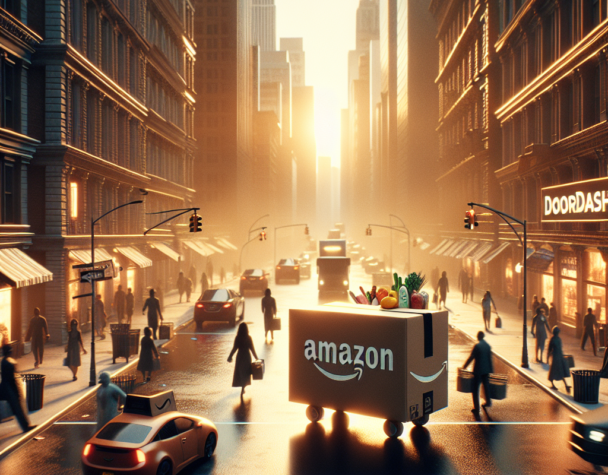
DoorDash (NASDAQ: DASH) faces a trio of tangible near‑term headwinds: new New York City regulations that change tipping and pay mechanics, evolving SNAP purchase restrictions across several states, and Amazon’s accelerated roll‑out of same‑day grocery delivery. Each of these is already reshaping unit economics in local commerce and has direct implications for Dash’s revenue, margins, and growth trajectory.
What changed in New York—and why it matters
New York City enacted three laws that take effect January 26, 2026, altering how delivery platforms display tipping options and how couriers are compensated. Platforms must now offer tipping of at least 10% at checkout, show tip options before purchase confirmation, and ensure delivery workers receive pay that meets the local minimum wage after accounting for expenses.
Immediate operational impacts for DoorDash
- Checkout UX updates: DoorDash must redesign payment flows to surface higher default tip options pre‑checkout, which can change average order values and friction in the purchase funnel.
- Labor cost pressure: Guaranteeing pay that covers out‑of‑pocket expenses shifts more compensation responsibility onto DoorDash if marketplace fees do not cover the delta.
- Pricing and margin effects: To preserve margins, DoorDash may test merchant fee adjustments, delivery fees, or absorb costs—each choice carrying different risks to order volume and merchant relationships.
For investors, the key is how DoorDash balances consumer pricing, merchant economics, and driver pay without eroding order frequency. Any move that raises out‑of‑pocket costs for consumers or reduces driver availability could materially affect volume in its largest U.S. market.
SNAP restrictions: a subtle but real drag on convenience commerce
Several states have tightened what Supplemental Nutrition Assistance Program (SNAP) benefits can purchase, banning items like sugary drinks, candy, and some highly processed convenience goods. DoorDash has been expanding grocery and convenience delivery—categories more exposed to SNAP purchasing patterns than restaurant delivery.
Why this changes demand dynamics
SNAP restrictions are unlikely to collapse DoorDash’s grocery business, but they can shift product mix and average basket composition in affected states. Convenience and corner‑store orders that previously included restricted items may see lower basket values or require alternative product suggestions—adding friction and potential service complexity.
For Dash, the operational costs of enforcing eligibility or filtering SKUs on marketplace listings are manageable, but the broader effect is on volume and unit economics in specific regions where SNAP benefits comprise a meaningful share of demand.
Amazon’s grocery push: intensified competition at scale
Amazon has expanded same‑day perishable grocery delivery to thousands of U.S. cities, leveraging Whole Foods locations, specialized fulfillment centers, and its logistics muscle. This expansion directly targets the same local commerce slots—grocery and convenience—that DoorDash is trying to win.
Competitive pressure points
- Fulfillment cost advantage: Amazon’s integrated supply chain and inventory footprint can undercut per‑order costs for groceries and drive faster fulfillment times.
- Customer acquisition and retention: Prime incentives and bundled services make Amazon a sticky alternative for frequent grocery shoppers.
- Merchant relationships: Retailers may prioritize partnerships with Amazon for scale and logistics integration, complicating DoorDash’s merchant expansion plans.
DoorDash’s differentiator remains its restaurant delivery density and flexibility of its marketplace. The question is whether it can translate that strength—plus investments in DashMart, grocery partnerships, and convenience fulfillment—into defensible economics against an Amazon that can subsidize growth through broader ecosystem revenue.
Conclusion
The combination of NYC regulatory changes, SNAP restriction rollouts, and Amazon’s grocery escalation are concrete, near‑term developments that bear directly on DoorDash’s business model. For shareholders, the focus should be on DoorDash’s tactical responses: pricing and fee adjustments, product‑level merchandising for SNAP‑sensitive regions, and investments to defend grocery margins. These moves will determine whether DASH weathers short‑term cost pressure or faces a more prolonged margin compression as competition and regulation reshape local commerce.
Investors tracking DASH should monitor DoorDash’s public commentary, quarterly updates on grocery and convenience mix, and any pilot pricing changes in regulated jurisdictions—these will provide the clearest signals of how the company intends to preserve growth and margins amid concrete industry shifts.