
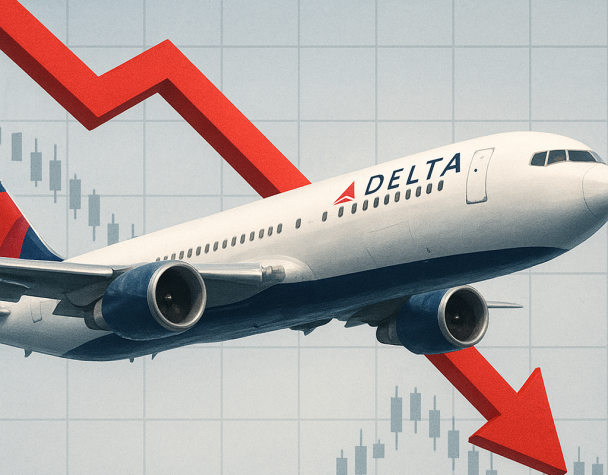
Delta Air Lines Stock Slides on Q3 Earnings Miss and Higher Fuel Cost Outlook
Sat, October 10, 2026Delta Air Lines (NYSE: DAL) saw its stock decline approximately 3% in early trading on October 9 after releasing third-quarter 2026 financial results that revealed a mixed earnings performance and rising fuel cost pressures. Investors digested the company’s revenue beat alongside an adjusted earnings miss and a cautious outlook. As of October 9, DAL shares were trading at US$82.17, reflecting a 3.12% decline on the day.
Q3 Results: Revenue Beats, Earnings Missed
Delta reported third-quarter revenue of US$20.186 billion, surpassing Wall Street estimates of US$17.654 billion. Despite the top-line beat, the airline’s adjusted earnings per share (EPS) came in at US$1.72, below the US$1.81 expected by analysts. The weaker-than-expected EPS weighs on investor sentiment even amid strong revenue growth.
Fuel Costs Drive Harder-than-Expected Pressures
One of the key headwinds dampening Delta’s results is escalating fuel expenses. Industry reports point to sharply higher costs undermining operating margins and prompting executives to temper expectations for full-year profitability. While exact details of updated full-year guidance were not disclosed publicly, commentary confirms that the fuel-cost surge is materially impacting forecasts.
Stock Reaction: Market Moves and Investor Sentiment
Delta’s share price fell by roughly 3% following the earnings release, even as broader U.S. equity markets gained ground. The Dow Jones Industrial Average added over 100 points, while the S&P 500 and Nasdaq both moved higher, signaling that the stock’s decline was sector-specific rather than market-driven.
Market Outlook and Implications
Delta’s Q3 performance underscores the ongoing challenge of balancing robust demand with volatile input costs. The revenue beat reflects consumer resilience, particularly among business and premium travelers. However, rising fuel prices are eroding the profitability cushion, and the earnings miss raises questions about the pace of margin recovery heading into 2027.
Investors will likely monitor upcoming disclosures, including any revisions to full-year guidance and commentary on cost-mitigation strategies. Without clear visibility on fuel cost hedging or offsetting operational efficiencies, investor optimism may remain tempered.
Delta’s stock movement—down ~3% even as markets rose—highlights the premium placed on margin stability in the airline sector. For investors, the upcoming quarters will be key in assessing whether Delta can regain earnings momentum despite macroeconomic headwinds.
Looking Ahead
Stakeholders should watch for management updates on fuel hedging, capacity adjustments, and cost control initiatives. Given the sharp disconnect between revenue growth and earnings delivery, the path to restoring investor confidence will depend heavily on margin protection and clarity on long-term cost outlook.
With DAL trading at US$82.17 as of October 9 and the stock reaction reflecting justified concern, the coming weeks could be pivotal in shaping sentiment around Delta’s ability to navigate elevated fuel expenses while sustaining demand.