
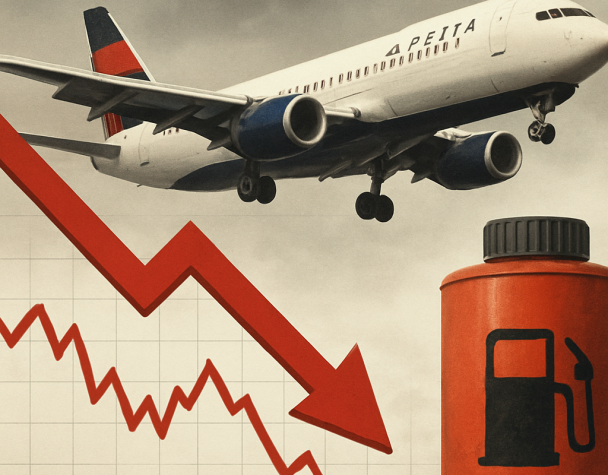
Delta Air Lines Stock Declines Amid Record Fuel Costs Despite Strong Earnings
Tue, July 28, 2026Delta Air Lines Stock Declines Amid Record Fuel Costs Despite Strong Earnings
On July 10, 2026, Delta Air Lines (NYSE: DAL) reported its second-quarter earnings, surpassing Wall Street expectations with adjusted earnings of $1.56 per share and revenue of $17.7 billion. Despite these positive figures, the stock experienced a 2.7% decline in morning trading, attributed to record-high fuel expenses impacting net profits.
Financial Performance Overview
Delta’s Q2 2026 results showcased robust revenue growth, with the company reaffirming its full-year adjusted EPS guidance range of $6.50 to $7.50, exceeding analyst consensus of $5.97. However, net profit fell 25% year-over-year to $1.6 billion, primarily due to a 75% surge in fuel costs per gallon compared to the previous year. This increase led to an operating margin compression to 8.8% from 13.3% in Q2 2025.
Market Reaction and Analyst Insights
Following the earnings release, Delta’s stock declined by 2.7%, reflecting investor concerns over escalating fuel expenses. Analysts noted that despite the company’s strong guidance and efforts to maintain pricing amid modest supply increases and moderating fuel costs, the market responded cautiously. Melius Research highlighted that Delta’s implied fourth-quarter guidance suggests the airline can sustain pricing even as supply grows modestly and fuel costs moderate.
Dividend Announcement
In addition to its earnings report, Delta’s Board of Directors declared a quarterly dividend of $0.1875 per share, payable to shareholders of record as of February 26, 2026, with payment on March 19, 2026. This decision underscores the company’s commitment to returning value to shareholders despite the challenges posed by rising operational costs.
Industry Context
The airline industry continues to grapple with fluctuating fuel prices, which significantly impact profitability. Delta’s experience reflects broader industry trends where carriers face the dual challenge of managing operational costs while meeting strong travel demand. The company’s ability to navigate these challenges will be crucial in maintaining its competitive position and delivering shareholder value.
Conclusion
Delta Air Lines’ Q2 2026 earnings report highlights the airline’s resilience and strong revenue performance. However, record-high fuel costs have pressured net profits, leading to a cautious market response. As the industry continues to face volatility in fuel prices, Delta’s strategic management of operational expenses and pricing strategies will be key determinants of its financial health in the coming quarters.