
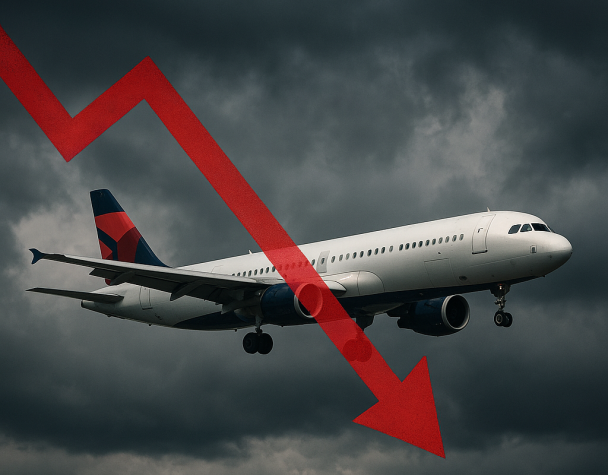
Delta Air Lines Cuts Full‑Year Outlook as Soaring Fuel Costs Weigh on Q3 Results
Sat, October 24, 2026Delta Air Lines (NYSE: DAL) on October 9, 2026, reported third‑quarter financial results that missed Wall Street expectations and prompted a sharp cut to its full‑year earnings guidance amid a surge in jet fuel costs.
Delta delivered adjusted earnings per share of $1.72 for the September quarter, slightly above the prior year’s $1.70, but fell short of analyst forecasts and underscored mounting pressure from fuel expenses. The company absorbed more than $500 million in additional fuel costs compared with guidance issued just months earlier in July. Delta now forecasts full‑year adjusted EPS in the range of $5.10 to $5.60, down from a previous outlook of $6.50 to $7.50. These figures reflect the impact of a nearly $6 billion increase in its fuel bill for the year. Meanwhile, revenue grew, but gains were overshadowed by the cost headwinds.
Delta also expects an all‑in fuel price of approximately $4.25 per gallon in the December quarter, even after including a refinery benefit of around $0.40 per gallon, underscoring the persistence of elevated fuel prices.
The stock reacted to the news with a decline: shares slipped approximately 2.9% to an intraday level around $79.80 following the earnings release. On the same day, Delta stock remained up about 17.5% year‑to‑date, though this gain was partially trimmed by investors processing the updated outlook.
Why It Matters
Fuel expenses are a critical cost component for airlines, and Delta’s exposure is heightened despite its integration with refineries. The unexpected $500 million Q3 fuel hit and materially lowered full‑year guidance underscore the current strain on margins, even as demand remains resilient.
Delta’s ability to generate revenue growth—through strong demand, yield improvements, and diversified income streams like cargo and loyalty programs—has helped offset some pressure. Nonetheless, the magnitude of fuel cost expansion continues to erode profitability.
Investor Takeaway
Investors should closely monitor Delta’s fuel cost trajectory going into Q4, especially given the elevated baseline of $4.25 per gallon. Any moderation in fuel prices could support margin stabilization—or even enable EPS recovery. However, continued pressure may limit upside despite solid operating demand and strategic execution.
Delta’s broad operational strength remains in place, but persistent cost headwinds warrant close attention from investors tracking profit margins heading into 2027.