
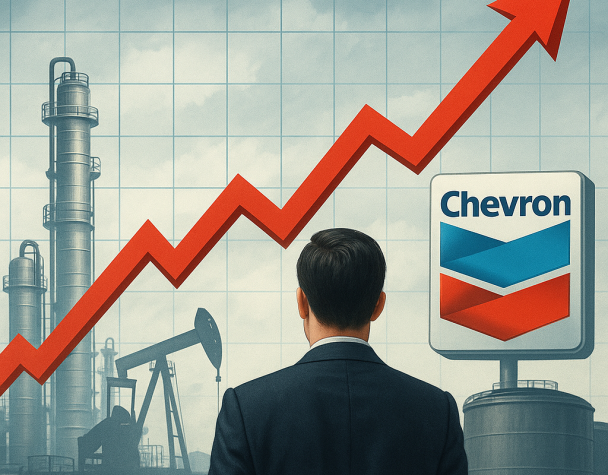
Chevron Stock Nears 52‑Week High as Energy Tensions Rise and Integrated Chemistry Gains Spotlight
Sat, September 12, 2026Chevron (NYSE: CVX) approached its 52‑week high in early September amid heightened geopolitical tensions and expanding chemical operations, offering a notable moment for integrated energy and chemicals investors.
On September 9, 2026, Chevron shares reached fresh 52‑week highs, buoyed by rising crude prices amid escalating Middle East uncertainty, particularly fears over disruptions in the Strait of Hormuz, according to market observers. Brent crude climbed above $101 a barrel, contributing to strong investor sentiment behind energy names like Chevron, ConocoPhillips and Valero. While multiple platforms reported this milestone, it was especially highlighted in user discussions on financial forums reflecting how macro energy trends lifted Chevron’s share price. The precise trading ranges and timing warrant confirmation through market data.
Meanwhile, Chevron continued to advance its chemicals-focused strategy. On August 3, 2026, the company announced an expansion of its North American base‑oils distribution network through complementary distribution agreements with HF Sinclair. This move broadens access to premium base oils and process oils across the region—reportedly part of Chevron’s downstream and chemicals segment enhancement initiatives.
Earlier in July, Chevron inked a technology licensing agreement with ZL Chemicals for its Vantis™ surfactant technology, which is designed to enhance hydrocarbon recovery in shale and tight reservoirs. The surfactant licensing underscores Chevron’s efforts to commercialize internally developed chemical technologies and reflects the company’s push to integrate advanced chemicals into its broader energy operations.
Why It Matters
Chevron’s stock performance nearing 52‑week highs underscores the influence of external energy market dynamics—particularly geopolitical tensions—on integrated oil majors. At the same time, the firm’s chemical business developments suggest growing diversification within its energy framework. The base‑oils distribution expansion and surfactant licensing agreement represent tangible steps toward emphasizing downstream chemical capabilities.
These developments come against the backdrop of Chevron’s second‑quarter 2026 financial results, where the company reported earnings of $12.1 billion, record U.S. production, and structural cost reductions. While not directly part of this week’s press activity, these solid fundamentals continue to underpin investor confidence in the broader context.
What to Watch Next
Investors should monitor whether Chevron sustains its momentum above previous highs amid continued crude volatility and evolving Middle East dynamics. On the integration front, developments around the Vantis™ technology rollout and further downstream or chemicals-related agreements may signal growing returns from Chevron’s innovation-driven pipeline.
For those focused on CVX in the Dow Jones Industrial Average, these combined market and operational shifts reinforce Chevron’s multi‑segment exposure—balancing upstream sensitivity with downstream chemical growth.
Note: As of September 11, 2026, Chevron’s stock price stood at $214.06, up 0.96% on the day.