
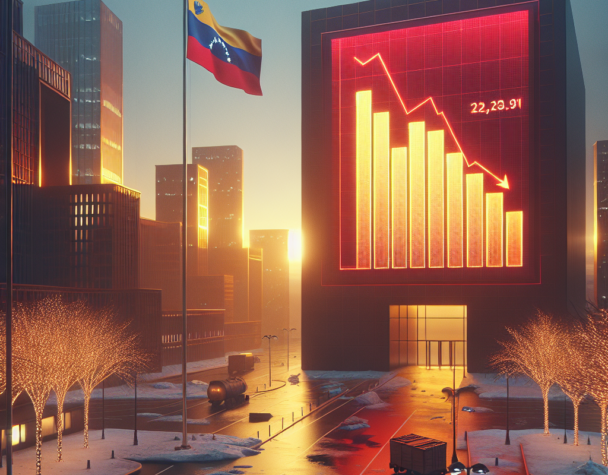
Chevron (CVX) Plummets After Venezuela Turmoil Now
Wed, January 07, 2026Chevron (CVX) Plummets After Venezuela Turmoil Now
Chevron (CVX) experienced a sharp decline in early January 2026 following reports of a U.S. military operation that reportedly captured Venezuelan President Nicolás Maduro, a development that spurred fears of heightened political instability and potential disruption to Venezuelan oil flows. The sell-off halted a multi-day rally for CVX and made the stock one of the largest decliners on the Dow Jones Industrial Average that trading day.
The Event: Venezuela Turmoil and Immediate Impact
What recent reporting says
Multiple outlets reported that a U.S. operation in Venezuela resulted in the capture of President Maduro, prompting immediate market reaction. Analysts and traders focused on the practical implications for oil production and the logistics of Chevron’s operations in-country. Media coverage emphasized that restoring stable, large-scale Venezuelan output would likely require significant capital, political reconciliation, and international coordination.
How investors reacted
Investor concern translated into a swift repricing of CVX shares. The stock recorded its steepest one-day drop since April 2025, ending a five-day rally and becoming a leading decliner on the Dow Jones Industrial Average. The move reflected direct sensitivity to geopolitical risk rather than company-internal operational news, underlining how country exposure can dominate near-term sentiment for integrated energy names.
Why Chevron Is Exposed
Upstream footprint in Venezuela
Chevron has maintained operations and joint ventures in Venezuela for years. Recent reporting has noted that the company’s Venezuelan footprint represents a meaningful share of domestic crude production—some estimates cited about 20% of local output—making Chevron particularly exposed to country-level disruptions. Any interruption in Venezuelan crude flows can therefore have outsized implications for Chevron’s upstream volumes compared with firms with less in-country presence.
Operational and capital challenges
Even if political volatility were to subside, reviving Venezuelan production to prior levels would not be immediate. Analysts point to three key barriers: (1) the need for fresh capital investment in aging infrastructure, (2) clarity and stability in the country’s governance and regulatory framework, and (3) cooperation from international partners and insurers. These factors mean that a return to steady production is likely to be slow and capital-intensive.
What This Means for CVX Investors
Near-term signals to monitor
- Company communications: Chevron statements on the status of in-country personnel, facilities, and production will be primary inputs for assessing direct operational damage or restrictions.
- Production reports: Any formal revisions to Chevron’s guidance or disclosed production figures should be treated as material; watch quarterly results and operational updates closely.
- Political developments: Diplomatic moves, sanctions changes, and international recognition or support dynamics will influence how quickly normal operations might resume.
Risk management and positioning
For portfolio managers and retail investors, the episode highlights the importance of assessing geopolitical concentration risk within energy holdings. Because Chevron is an integrated energy and chemicals company, downstream and chemical businesses can help cushion upstream disruption, but they do not eliminate equity sensitivity to country-specific shocks. Investors should weigh time horizon, risk tolerance, and whether to hedge exposure or rebalance toward names with lower single-country dependence.
Bottom Line
Early January developments in Venezuela triggered a tangible repricing of Chevron shares as investors processed the near-term prospect of disrupted crude flows and the longer-term difficulty of restoring Venezuelan output. The situation underscores how geopolitical events can directly affect integrated energy names with concentrated country exposure. Moving forward, Chevron’s own disclosures, production figures, and international diplomatic signals will be the clearest indicators for investors evaluating CVX risk and opportunity.
Note: This article summarizes recent reporting and market reaction. It is not investment advice. Investors should consult professional advisors and primary company disclosures before making investment decisions.