
CVS Trims Stores, Boosts Stock With Pharmacy Focus
Mon, April 27, 2026CVS Trims Stores, Boosts Stock With Pharmacy Focus
CVS Health (NYSE: CVS), a major S&P 500 constituent, registered several concrete developments this week that directly affect investor positioning. The company opened smaller pharmacy-focused outposts in metro Detroit, reported meaningful short-term share strength, and is seeing a measurable rise in short interest. These events, alongside disclosed operational risks, provide actionable signals about management’s strategy and market sentiment.
Key developments this week
New pharmacy-only locations in metro Detroit
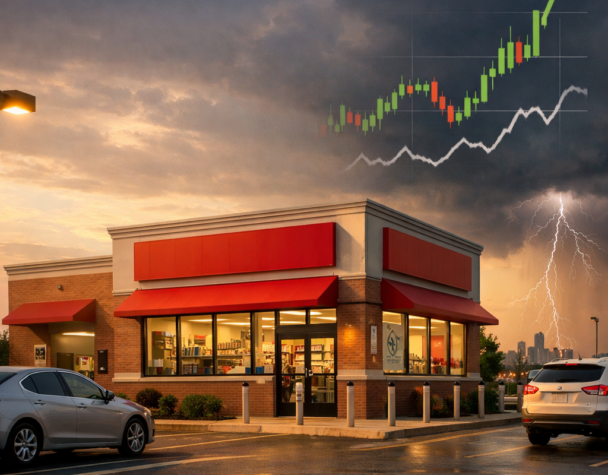
CVS launched two compact, pharmacy-centric stores on Grand River Avenue—one in Detroit and another in Redford Township. These smaller-format locations emphasize prescription services and over-the-counter essentials rather than full retail assortments. The openings follow a period of targeted closures (nine stores in Michigan since early 2025) and indicate a deliberate shift toward optimizing the company’s brick-and-mortar footprint to where pharmacy demand is strongest.
Stock performance: intraday spike and weekly gains
The stock experienced a notable intraday rise of about 3.18%, reaching roughly $79.63 on the day of the move, and finished the week up approximately 2.7% versus a smaller gain for the S&P 500. This short-term outperformance reflects renewed investor interest in CVS’s pharmacy-led strategy and may be tied to optimism about steady prescription revenues and tighter store economics from the new formats.
Investor sentiment and positioning
Short interest increase
Despite the stock’s recent rally and analyst optimism, short interest in CVS climbed around 11.7% in the latest reporting period. A rising short position often signals growing caution or hedging by traders, especially ahead of potential catalysts (earnings, regulatory updates, or operational announcements). For long investors, higher short interest can amplify volatility; for active traders, it creates potential for squeeze dynamics if fundamentals surprise to the upside.
Analyst targets vs. current price
Analysts maintain a generally constructive view: the mean price target sits near $95, indicating roughly 20% upside from recent levels near $78. That gap between analyst expectations and elevated short interest suggests a divergence in market views—some investors buy the strategic pivot, while others question near-term execution or margin pressure.
Operational risks and strategic implications
Footprint optimization and local focus
Transitioning toward leaner, pharmacy-first locations is a pragmatic response to shifting retail economics. Smaller outposts require lower capex and operating costs, and they can better serve prescription-driven traffic in underserved neighborhoods. For CVS, the strategy is a way to preserve prescription volume while reducing losses from underperforming big-box formats.
Climate and continuity risks
CVS’s recent corporate impact disclosure highlights weather-related operational risks—extreme heat and storms that threaten clinic operations, cold-chain logistics, and store-level continuity. While not an immediate stock mover, these risks translate into measurable business continuity expenses and regional service disruption potential, factors investors should monitor for quarter-over-quarter variance in operating metrics.
What this means for investors
Concrete, local actions (new Detroit-area pharmacy-only locations) plus measurable market moves (intraday rally and higher short interest) create a balanced but actionable picture. The positives: focused store designs that prioritize prescription economics and a still-favorable analyst outlook. The cautions: elevated short interest and external operational risks that could increase volatility or squeeze margins in adverse scenarios.
Investors prioritizing stability may view CVS’s pharmacy-first adjustments as support for steady prescription cash flows. Those seeking upside should weigh the analyst target gap against the risk of continued headline-driven swings from short-covering or operational surprises. Monitoring upcoming quarterly results, any guidance changes, and regional rollout metrics for the new format will provide clearer evidence of execution and should be the next checkpoints for portfolio decisions.
Conclusion
This week’s developments underscore CVS’s pragmatic shift: fewer big-box stores, more compact pharmacy access points, and a focus on prescription resilience. The stock’s short-term strength and rising short interest reflect diverging market views—rewarding investors who track execution metrics and manage for elevated volatility. Operational risks such as extreme weather remain relevant for near-term continuity, but the strategic emphasis on pharmacy suggests management is aligning resources to sustain core revenue drivers.