
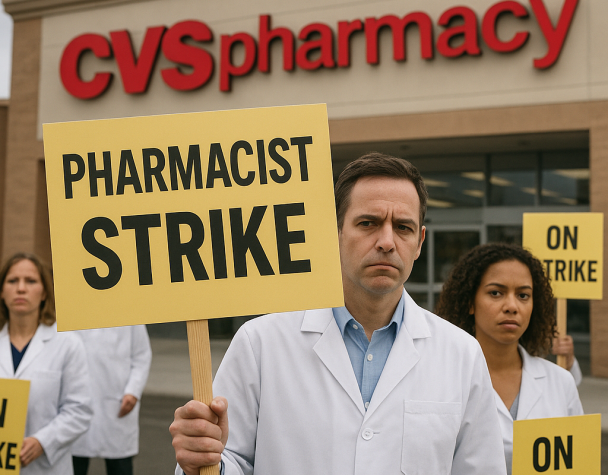
CVS Health Grapples with Pharmacist Strike Sanctions Amid Broader Regulatory and Service Pressures
Thu, August 27, 2026CVS Health is facing heightened labor tensions as unionized pharmacists in Rhode Island, California and Arizona overwhelmingly approved strike sanctions within the past week, citing unsafe staffing levels and burnout. The escalation comes at a time when CVS is also navigating ongoing regulatory scrutiny and evolving service strategies.
Pharmacist Strike Sanctions Trigger Labor Alert at CVS
In a clear signal of mounting employee frustration, pharmacists in six CVS stores across Rhode Island (90.3% approval), California (96.7%) and Arizona (100%) recently greenlit strike sanctions. This step is the first of two needed before an actual work stoppage, though CVS has stated that store operations would not be affected if a strike occurs. These developments reflect deeper challenges within CVS’ retail operations, where tight margins, rising competition and flat reimbursement rates have burdened frontline staff. The vote underscores growing concern over workforce wellbeing amid operational pressures.
Regulatory Heat: FTC Agreement and Industry Reform Pressure
This labor development arrives among major regulatory shifts affecting CVS’ pharmacy benefit manager, Caremark. Last month, CVS Caremark reached a binding agreement with the Federal Trade Commission to resolve antitrust litigation around rebate practices, spread pricing and transparency shortcomings. The settlement mandates sweeping reforms, including point-of-sale rebate passthrough, copay caps on insulin, and greater price and compensation disclosures. These provisions are now being positioned as standard offerings in CVS Caremark’s plan designs.
Simultaneously, legislative trends such as the 2026 Consolidated Appropriations Act are pushing the pharmacy benefit management industry toward greater transparency and fiduciary obligations, reshaping how CVS and its peers manage drug pricing and rebate structures.
Stock Snapshot: Modest Gains Amid Uncertain Outlook
As of the close on August 26, CVS Health shares were trading at $94.32, up 1.26% on the day. While separate from these developments, the recent second-quarter earnings report delivered mixed signals—strong operational results were overshadowed by conservative profit outlooks for 2026 and 2027, which weighed on investor sentiment in early August.
What It Means for Investors
CVS now faces dual external and internal pressures. On the one hand, mandated regulatory reforms could impact its PBM business model and margins, though they align with growing demand for pricing transparency. On the other, potential labor disruption threatens stability in its retail pharmacy operations—an important interface with consumers. Investors should monitor whether these union actions proceed to a strike, how regulatory changes affect PBM revenues, and whether operational adjustments or cost pressures emerge.
With its vertically integrated structure spanning health insurance, PBM services and retail pharmacies, CVS sits at the crossroads of healthcare delivery, regulation and labor. The convergence of labor unrest and regulatory reform makes this a pivotal moment for the company’s operational strategy and investor outlook.