
Costco's Strategic Expansion and Analyst Insights Amidst Market Dynamics
Tue, July 07, 2026Costco’s Strategic Expansion and Analyst Insights Amidst Market Dynamics
In the past week, Costco Wholesale Corporation (NASDAQ: COST) has been at the forefront of significant developments in the retail sector, marked by strategic expansions and varied analyst evaluations.
Strategic Expansion Amidst Economic Pressures
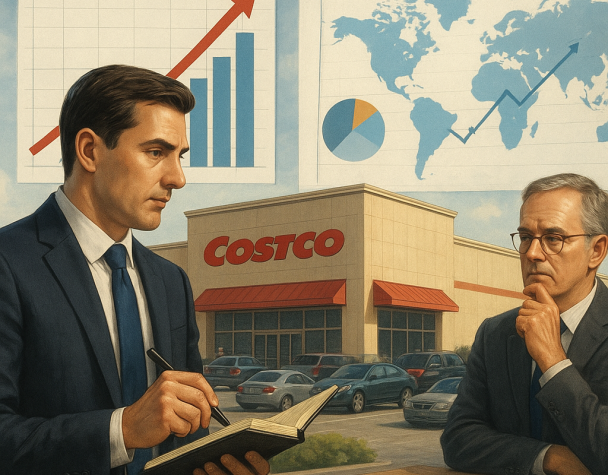
As consumers increasingly prioritize affordability, major grocery retailers, including Costco, are rapidly expanding their footprints across the United States. In 2026, Costco plans to open 26 new warehouses, aiming to cater to the growing demand for value-driven shopping experiences. This expansion aligns with the company’s commitment to providing bulk savings and quality products to a diverse customer base. Other retailers like Aldi and Trader Joe’s are also contributing to this trend, with plans to open over 180 and more than 20 new stores, respectively. This collective growth is driven by consumer demand for value and bulk savings, especially as economic pressures influence shopping habits. Warehouse clubs like Costco not only appeal to budget-conscious consumers but are also attracting more affluent shoppers. Aldi’s low-cost private-label strategy continues to gain popularity, while regional population growth, particularly in the South and Mountain West, is contributing to market expansion. The increased competition may lead to more choices and potentially lower prices for consumers. Shoppers in fast-growing areas may particularly benefit, as grocers enter new neighborhoods. To stay updated on store openings, consumers are encouraged to check retailer websites, local news, and social media.
Analyst Evaluations Reflect Diverse Perspectives
Analyst opinions on Costco’s stock have varied recently. Truist Securities reiterated a ‘Hold’ rating, citing valuation concerns despite acknowledging the company’s strong sales momentum. The firm noted that higher gas prices drove an acceleration in volume at Costco stores, with the ancillary segment of the business increasing in the mid-30s percentage range while gas prices rose 26.2%. Truist highlighted Costco’s ability to serve its increasingly value-driven consumer base facing greater pressure with its extreme value proposition. However, the firm pointed to the company’s current valuation multiple of approximately 46 times earnings, suggesting potential overvaluation.
Similarly, Guggenheim maintained a ‘Neutral’ rating, expressing concerns over the stock’s valuation despite recognizing Costco’s robust top-line momentum. Analyst John Heinbockel noted that shares have declined 9% over the past three months, while the S&P 500 gained 14% and large-cap discretionary retailers like Home Depot and Target rose by high-single digits. The firm attributed the underperformance to an improved energy price-oriented macro backdrop rather than fundamental issues. Guggenheim expects healthy, broad-based June sales in the upcoming reports.
In contrast, Bank of America Securities reiterated a ‘Buy’ rating with a price target of $1,185, emphasizing Costco’s value-driven approach and potential for continued market share gains. The firm stated that Costco’s philosophy of leading with value supports confidence that market share gains across categories will continue in the current macroeconomic environment. Sustained higher gas prices are expected to drive more traffic to club stores, given Costco’s value proposition, with half of members cross-shopping gas stations and clubs.
Market Performance and Investor Sentiment
As of July 6, 2026, Costco’s stock price stood at $950.25, reflecting a slight decrease of 0.13% from the previous close. The stock’s performance has been influenced by a combination of strategic initiatives and market dynamics. Notably, the company’s expansion plans and consistent value proposition have bolstered investor confidence, while concerns over valuation have led to cautious analyst ratings.
Conclusion
Costco’s proactive expansion strategy underscores its commitment to meeting evolving consumer demands in a competitive retail landscape. While the company’s growth initiatives and value-driven approach have garnered positive attention, varying analyst perspectives highlight the importance of monitoring valuation metrics and market conditions. Investors and stakeholders should stay informed about Costco’s strategic developments and market performance to make well-informed decisions in the dynamic retail sector.