
Costco's Stock Volatility Linked to Analyst Downgrades Amid Valuation Scrutiny
Sun, July 19, 2026Costco’s Stock Volatility Linked to Analyst Downgrades Amid Valuation Scrutiny
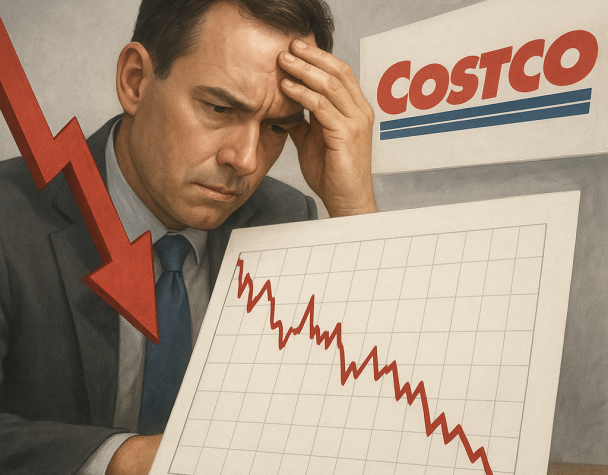
In recent weeks, Costco Wholesale Corporation (NASDAQ:COST) has experienced notable stock price fluctuations, influenced by analyst downgrades and ongoing valuation concerns. As of July 17, 2026, Costco’s stock closed at $940.87, reflecting a 2.15% decline from the previous day.
Analyst Downgrades Impact Stock Performance
On July 9, 2026, JPMorgan Chase & Co. adjusted its outlook on Costco, lowering the price target from $1,110 to $1,100 while maintaining an ‘overweight’ rating. This revision contributed to a 4.6% drop in Costco’s stock price, which reached a low of $912.10 during that trading session. Despite this decline, the consensus among analysts remains largely positive, with 22 rating the stock as ‘Buy,’ 11 as ‘Hold,’ and 1 as ‘Sell,’ leading to an average price target of $1,061.10.
Valuation Concerns Persist
Guggenheim Securities reiterated a ‘Neutral’ rating for Costco on July 2, 2026, citing concerns over the company’s valuation. Analyst John Heinbockel highlighted that, despite Costco’s strong sales momentum, the stock had underperformed compared to the S&P 500 and other large-cap discretionary retailers over the preceding three months. He attributed this underperformance to macroeconomic factors rather than fundamental issues within the company.
Operational Highlights and Market Position
Costco continues to demonstrate robust operational performance. In the first quarter of fiscal year 2026, the company reported an 8.2% increase in net sales, totaling $65.98 billion, up from $60.99 billion in the same period the previous year. Comparable sales growth was recorded at 6.4%, with a notable 20.5% increase in digitally-enabled sales. Net income for the quarter stood at $2.001 billion, or $4.50 per diluted share.
The warehouse club sector is evolving to meet changing consumer preferences. Competitors like BJ’s Wholesale Club are enhancing their supply chain models to offer greater convenience and expanded product offerings, aiming to attract a broader customer base.
Conclusion
While Costco’s strong operational performance underscores its resilience in the retail sector, recent analyst downgrades and valuation concerns have introduced volatility into its stock performance. Investors should monitor these developments closely, considering both the company’s financial health and the broader market dynamics influencing the warehouse club industry.