
Chipotle Rebounds: Q1 Sales, Margins, Buybacks Now
Mon, May 04, 2026Introduction
Chipotle Mexican Grill (CMG) delivered a mixed but directionally encouraging Q1 that matters for investors tracking the S&P 500 fast-casual leader. Revenue growth and a return to positive comparable-restaurant sales signal improving traffic, while narrower margins and lingering cost pressures keep near-term profitability under scrutiny. This article distills the key, factual developments from the quarter and explains what they mean for shareholders.
Q1 Financial Snapshot: Growth Meets Cost Headwinds
Chipotle reported roughly $3.09–$3.10 billion in revenue for the quarter and posted its first positive comparable-restaurant sales result in more than a year, with comps up about 0.5%. That modest uplift was driven by higher transactions and continued interest in newly promoted protein offerings.
Margins and Expense Dynamics
Despite the top-line improvement, margins contracted noticeably. Operating margin declined to 12.9% from 16.7% year-over-year. At the restaurant level, operating margin fell to 23.3% (23.7% on an adjusted basis), down from approximately 26.2% a year earlier. The primary culprit was a higher food, beverage, and packaging cost line, which rose to 29.6% of revenue (from 29.2%), driven mainly by beef and freight inflation. Some commodity tailwinds—lower dairy and avocado costs—partially offset these pressures.
Digital Sales and Traffic Trends
Digital continues to be a strategic advantage: digital sales remain a significant portion of total revenue and helped sustain weekday traffic. Improvements in menu innovation and promotional emphasis on higher-ticket items aided transactions. Management pointed to digital and loyalty initiatives as key execution levers supporting the stabilization of visits.
Capital Allocation and Expansion: Buybacks and New Restaurants
Management signaled confidence in the business model by repurchasing $701 million of CMG stock during the quarter at an average price near $36.14 per share, leaving about $1 billion in remaining authorization. This aggressive buyback program is a clear priority for capital deployment and supports earnings-per-share even amid top-line and margin headwinds.
Restaurant Growth and Chipotlane Rollout
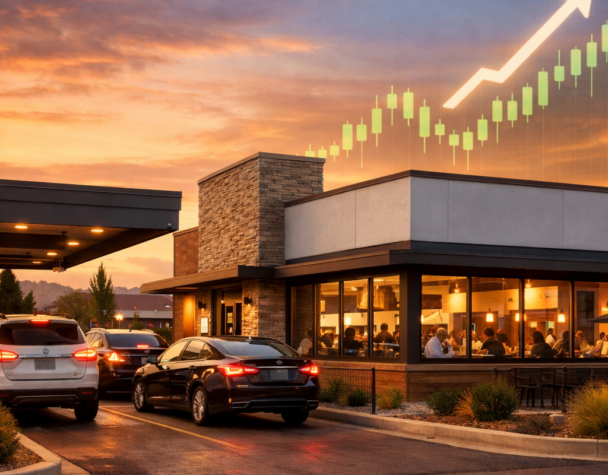
Chipotle opened 49 new company-owned restaurants in the quarter, 42 of which included a Chipotlane drive-thru—underscoring the company’s emphasis on convenience and throughput. Management reiterated plans to open roughly 350–370 restaurants this fiscal year, signaling that expansion remains a core growth strategy alongside repurchases.
Guidance and Strategic Priorities
For the year, Chipotle is guiding to flat comparable-restaurant sales, an indication that management expects additional quarters of modest traffic recovery rather than a sharp rebound. The company expects an effective tax rate in the mid-20s percent range and continues to execute on its multi-year “Recipe for Growth” strategy: menu innovation, digital leadership, operational enhancements, and disciplined capital returns.
Analyst and Market Context
Analyst sentiment remains broadly favorable: a substantial portion of coverage still rates CMG as a buy or strong buy, reflecting conviction in the brand’s long-term unit economics and digital capabilities. That said, Chipotle’s share price has lagged substantially over the past year, falling more than 30% while the S&P 500 rose by roughly the same magnitude—highlighting a significant divergence that investors should factor into positioning.
Investor Takeaways
- Positive comps and accelerating transactions point to early traffic recovery, validating parts of management’s operational playbook.
- Margin compression remains material and tied to commodity and freight costs; stabilization of those inputs will be necessary for margin recovery.
- Share repurchases are a major capital-allocation tool this year and will likely support EPS in the near term.
- Restaurant growth—anchored by Chipotlane—remains a priority, but incremental openings will add operating leverage only after traffic and margins normalize.
Conclusion
Chipotle’s latest quarter offers a mixed but tangible improvement story: modest same-store sales growth and strong execution on digital and unit openings counterbalanced by clear margin pressures from rising input costs. For investors, the trade-off is straightforward—near-term profitability is challenged, but management’s combination of buybacks and continued expansion reflects confidence in the company’s longer-term cash generation and brand strength. Monitoring commodity cost trends, transaction momentum, and the cadence of margin recovery will be the most concrete indicators of whether the stock’s recent underperformance has bottomed.