
Citizens Bank Protests Put CFG Stock at Risk Today
Mon, March 23, 2026Citizens Bank Protests Put CFG Stock at Risk Today
Introduction
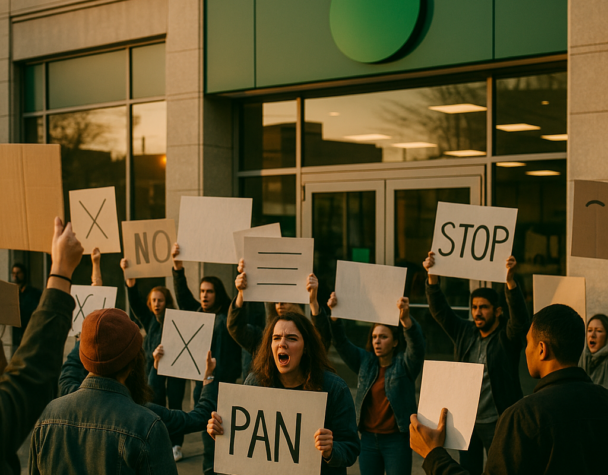
Last week, Citizens Financial Group (NYSE: CFG) became the focal point of sustained civil action after coordinated protests targeted the bank’s lending relationships with private detention operators. The demonstrations—reported across roughly 50 branches from Boston to Washington, D.C., Cleveland and Philadelphia—have drawn mainstream press attention and amplified social-media pressure. For investors and readers focused on financial services, this is a concrete event with measurable reputational and deposit-related implications, not vague punditry.
What Happened: Protest Details and Immediate Fallout
Scope and messaging
Activated under the De-ICE Citizens Bank Coalition banner, activists staged events at branches on a recent Saturday, spotlighting loans made to the GEO Group and CoreCivic. Reporting from local outlets and amplified posts on social platforms indicate the campaign gained traction: protesters encouraged account closures and public demonstrations to punish financing tied to private detention centers. Social posts and community coverage gave the story wider reach beyond niche activist feeds.
Why the protests matter to CFG
There are three direct transmission channels from protest activity to corporate outcomes: reputation, deposit behavior and regulatory attention. If enough customers close accounts or shift deposits, CFG could face short-term liquidity pressures or increased funding costs. Media coverage and investor scrutiny can also pressure the bank’s share price—particularly if institutional holders reassess reputational risk. Finally, concentrated activism increases the odds of regulatory or political inquiries related to lending practices.
How This Could Affect CFG Stock
Near-term volatility is the most likely outcome
When an S&P 500 bank becomes the center of a localized but well-covered controversy, equity moves typically follow one of two paths: transient volatility or sustained downward pressure. The deciding variables are the scale of depositor withdrawals, the duration of negative coverage, and whether large investors reposition. So far, signals are early—social-media-driven account closures have been reported, but there’s no confirmed mass depositor exodus or major institutional divestiture.
Key indicators investors should monitor
- Deposit flows and liquidity metrics: weekly deposit trends and changes in wholesale funding costs.
- Regulatory filings and statements: any 8-Ks, investor calls or public responses from CFG addressing the protests or related lending exposures.
- Share trading: unusual volume spikes, options activity, or outsized intraday moves.
- Media and activist momentum: continued coverage in major outlets and the growth of organized campaigns encouraging account closures.
Context and Analogies: Why This Is Not Just PR
Think of reputational hits as small leaks in a ship. Alone they may not sink it, but if leaks multiply or coincide with rough seas—poor earnings, higher rates, or funding pressures—the combined effect can overwhelm the vessel. For CFG, the loans to GEO Group and CoreCivic (reported collectively in the high hundreds of millions) are the focal point of protest messaging; the actual balance-sheet impact depends on credit performance and the scale of depositor reaction, not headlines alone.
Practical Steps for Investors
- Check CFG’s latest investor materials and any 8-K or press release that references the activism or loan portfolio.
- Monitor weekly FDIC data or bank disclosures for deposit trends and liquidity ratios.
- Watch trading volumes and volatility metrics—spikes can indicate short-term positioning rather than fundamental change.
- Assess institutional holder moves via 13F filings over the coming quarter; major reallocations are meaningful signals.
Conclusion
The recent protests at Citizens Bank branches mark a tangible reputational event that elevates depositor and investor risk for CFG. While the immediate financial impact appears limited based on available reporting, the situation merits active monitoring: deposit flows, public statements from CFG, and regulatory notices will determine whether the episode is a temporary reputational flare-up or a catalyst for sustained equity pressure. Investors should treat this as a real, measurable risk vector and adjust monitoring and position sizing accordingly.