
CCEP Sales Jump: Coca-Cola Brands Power Growth Now
Thu, April 09, 2026Introduction
New retail tracking released in late March indicates renewed momentum in non‑alcoholic beverages that directly benefits Coca‑Cola Europacific Partners (CCEP). Concrete two‑week sales figures, brand‑level outperformance and shifting consumer preferences on packaging and health claims provide tangible signals investors should weigh for CCEP — a major Coca‑Cola bottler listed in the NASDAQ‑100 and active across 31 countries.
Recent Sales Acceleration and Brand Performance
Two‑week surge: dollars and volumes
NielsenIQ data for the two weeks ending March 21 show a notable lift: dollar sales for non‑alcoholic beverages rose 6.1% year‑over‑year while volumes climbed 3.1%. That combination — price and unit growth — suggests both pricing resilience and renewed consumer buying, a healthier signal than price‑only gains.
Coca‑Cola system outpaces peers
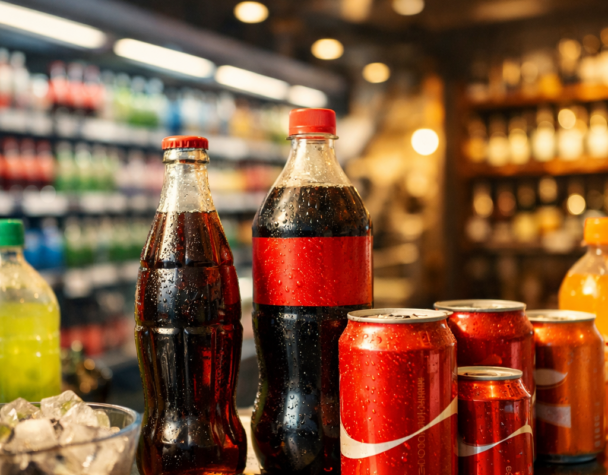
Within the category, Coca‑Cola‑branded products led the pack with roughly 7.9% dollar growth, ahead of PepsiCo (≈5.7%) and Keurig Dr Pepper (≈5%). For CCEP, which bottles and distributes Coca‑Cola portfolio products across multiple territories, brand outperformance translates into stronger case volumes and revenue mix benefits at the local level.
Category Shifts: Alcohol RTD Growth vs. Broader Declines
Alcohol dollar decline, RTD exception
Data from beverage trade reporting show that overall alcohol dollars are down, but the Ready‑to‑Drink (RTD) segment — especially spirits‑based RTDs — is surging, up roughly 40% year‑to‑date and now representing about a quarter of RTD beverage dollars. While CCEP’s core business remains non‑alcoholic, these dynamics create adjacent opportunities for bottlers and distributors to partner or extend capabilities where relevant.
Why this matters for CCEP
Stronger RTD demand highlights two investor takeaways: first, beverage consumers continue to trade up into premium or convenient formats; second, category winners are those who can scale SKUs rapidly and meet retail shelf rationalization. CCEP’s distribution scale and retailer relationships position it to benefit from such shifts, even if indirectly.
Sustainability, Health Claims and SKU Strategy
Packaging and product features are driving buys
Broader retail research emphasizes recyclable packaging, reduced‑calorie claims and targeted innovations as growth drivers. For example, increasing consumer preference for recyclable formats and lower‑calorie options aligns with CCEP’s ongoing initiatives to push Zero‑Sugar variants and improve packaging sustainability.
SKU efficiency—less is often more
Retailers are prioritizing fewer, higher‑velocity SKUs. Think of shelf space as a high‑rent boutique: brands that deliver clear consumer demand keep the prime slots. CCEP’s portfolio focus on leading Coca‑Cola SKUs and investment in core innovations helps it hold that premium placement.
Implications for Investors
The recent retail data provide concrete, non‑speculative inputs: rising dollar and volume growth in soft drinks, Coca‑Cola brand outperformance, and structural shifts favoring sustainable packaging and RTD innovations. For CCEP, these factors imply potential upside from stronger category demand, better shelf positioning for key SKUs, and strategic optionality through adjacent RTD growth — all while remaining exposed to commodity and input cost swings that investors should monitor.
Conclusion
Last week’s retail data and trade reporting deliver actionable signals for CCEP: Coca‑Cola brands are accelerating sales, consumer preferences continue to favor low‑calorie and sustainable options, and RTD alcoholic growth offers adjacent opportunity without changing CCEP’s non‑alcoholic core. These are tangible developments that support a constructive operational outlook for the bottler, subject to usual input‑cost and execution risks.