
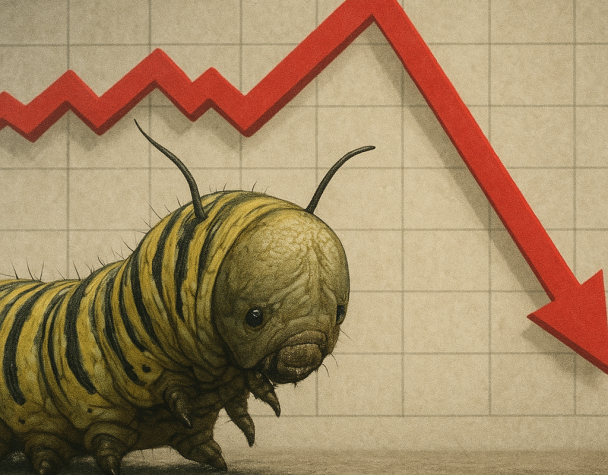
Caterpillar Faces Stock Drop as Market Pressures Weigh on Investor Sentiment
Sun, August 02, 2026Caterpillar Faces Stock Drop as Market Pressures Weigh on Investor Sentiment
On July 31, 2026, Caterpillar Inc. (NYSE: CAT) experienced a significant stock price decline, closing at $814.81, down 3.39% from the previous day. This downturn reflects growing investor apprehension regarding the company’s valuation and broader market volatility.
Recent Stock Performance
Caterpillar’s stock has demonstrated notable volatility in recent months. On June 22, 2026, the stock reached an all-time high, closing at $1,022.28, driven by increased demand for AI data center infrastructure. However, the subsequent decline to $814.81 by the end of July indicates a shift in investor sentiment.
Financial Highlights
In the first quarter of 2026, Caterpillar reported a 22% increase in sales and revenues, totaling $17.4 billion. Adjusted profit per share stood at $5.54. Despite these strong financials, the company’s valuation has come under scrutiny. As of July 31, 2026, Caterpillar’s price-to-earnings (P/E) ratio was 40.58, significantly higher than many of its industry peers.
Analyst Perspectives
Analysts have expressed mixed views on Caterpillar’s stock. In June 2026, UBS raised its price target to $900 from $677, maintaining a Neutral rating. The firm cited strong first-quarter results and an expanding order backlog as positive factors. However, concerns about the stock’s high valuation persist, with some analysts questioning its sustainability amid market fluctuations.
Market Volatility and External Factors
The broader market has experienced increased volatility due to various factors, including geopolitical tensions and economic uncertainties. These external pressures have contributed to fluctuations in stock prices across the industrial sector, affecting companies like Caterpillar.
Conclusion
Caterpillar’s recent stock decline underscores the challenges of maintaining high valuations in a volatile market environment. While the company’s financial performance remains robust, investors are closely monitoring external factors and market dynamics that could impact future growth.