
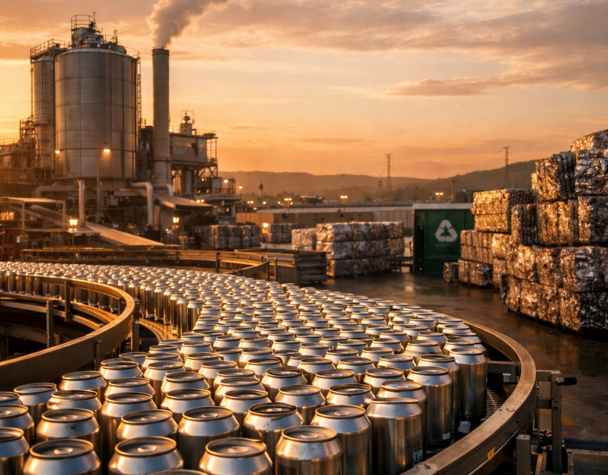
Ball Corp Faces Margin Squeeze from Aluminum Rally
Mon, April 06, 2026Introduction
Ball Corporation, a leading aluminum-packaging supplier in the S&P 500, is navigating a near-term earnings headwind as aluminum prices climb and beverage volumes soften in North America. Recent coverage highlights cost pressures that are squeezing margins, while management’s investments in recyclable aluminum solutions aim to position the company for longer-term growth. This article breaks down the immediate drivers, Ball’s responses, and what investors should watch next.
Why Aluminum Costs Matter for Ball
Aluminum is Ball’s primary raw material. When metal prices rise, input costs increase across Ball’s beverage and specialty packaging segments. Unlike businesses with a large share of fixed-cost inputs, aluminum packaging companies typically face a direct link between commodity prices and gross margins. Recent reporting indicates a noticeable uptick in aluminum costs, driven by supply disruptions and higher energy expenses in metal production regions.
Cost Transmission and Margin Impact
Ball can mitigate rising metal costs in a few ways: price increases passed to customers, operational efficiencies, or hedging strategies. However, customers—especially beverage brands—are sensitive to price changes and may delay or limit pass-throughs. That tension creates a window where Ball must absorb higher input expense, which narrows margins until contracts or market conditions allow recovery.
Volume Weakness in North America
Compounding commodity pressure, recent industry signals point to softer beverage volumes in North America. Shifts in consumer preferences—think less soda consumption and more private-label or alternate-pack formats—can reduce overall aluminum can demand growth, amplifying margin vulnerability if fixed costs remain constant.
Ball’s Strategic Offsets: Sustainable Packaging and Innovation
Ball is advancing sustainable aluminum products—such as infinitely recyclable aluminum cups for venues and events—and promoting aluminum’s recyclability versus other packaging substrates. These initiatives align with retailer and regulatory demand for circular solutions and can open higher-margin product lines over time.
Why Sustainability Helps Revenue Quality
Sustainable packaging can attract premium pricing and longer-term contracts with beverage and personal-care brands focused on ESG goals. If Ball succeeds in scaling higher-value recyclable formats, the revenue mix could shift toward products with more stable margins, partly offsetting raw-material volatility.
Hedging, Guidance, and Market Sentiment
Company disclosures indicate Ball has hedged portions of its aluminum exposure, which cushions some near-term swings but does not eliminate the effect of sustained price increases. Management has signaled cautious guidance reflecting compressed margins. These conservative projections have influenced investor sentiment, especially following Ball’s prior earnings-driven share-price rally earlier this year.
Investor Takeaways
- Short-term risk: Elevated aluminum prices and soft North American volumes are the primary catalysts compressing margins now.
- Mitigants to monitor: Hedging effectiveness, the company’s ability to pass costs through to customers, and operational cost-saving measures.
- Long-term opportunity: Expanded demand for recyclable aluminum formats can improve revenue quality and support premium pricing.
- Macro influence: Broader S&P 500 weakness may damp investor appetite even if Ball’s fundamentals stabilize.
Conclusion
Ball Corp’s near-term outlook reflects a classic commodity-driven squeeze: rising input costs meet softer end-market demand, pressuring margins. Management’s focus on sustainable aluminum products offers a credible path to higher-value sales over time, but investors should expect volatility until cost pressures ease or are offset through pricing, hedging, or improved volumes. Key indicators to watch are quarterly gross-margin trends, aluminum hedging disclosures, and contract wins for recyclable packaging solutions.