
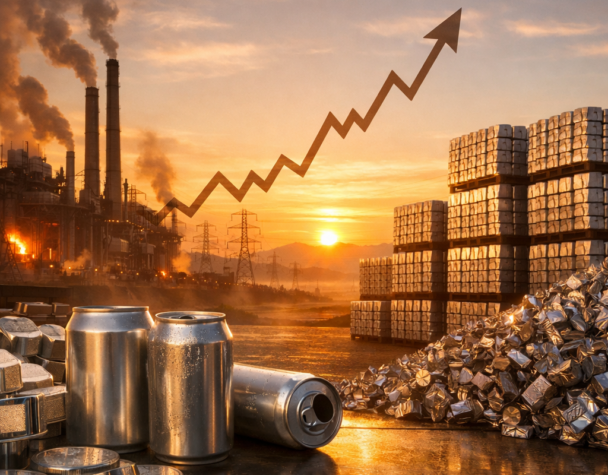
Ball Corp Faces Aluminum-Cost Margin Pressure Now.
Mon, March 30, 2026Introduction
Ball Corporation (NYSE: BALL), a leading supplier of aluminum packaging for beverages, personal care and household products, saw fresh headwinds this past week as aluminum costs and energy prices climbed. Those input-cost pressures have begun to show up in margin metrics, prompting renewed investor focus on how effectively Ball can pass costs to customers, hedge commodity exposure and lean on its sustainability advantages.
Near-term headwind: aluminum and energy cost spike
Commodity dynamics shifted quickly this week. Aluminum futures rose after production adjustments in key producing regions and higher energy prices increased smelting costs in parts of Europe. For a company that sources and manufactures aluminum packaging at scale, these changes translate into immediate pressure on gross margins.
Why margins matter now
Ball’s beverage can segment represents the largest share of revenue, so even modest raw-material inflation can materially compress profitability. While long-term supply arrangements and a high recycled-aluminum mix insulate Ball to an extent, the recent price moves have weighed on quarterly margin comparisons—levels some analysts say have not been seen since before the pandemic.
How Ball can respond
- Pricing: Management may push price increases through customer contracts, testing the elasticity in beverage and personal-care categories.
- Hedging: Active commodity hedges can blunt volatility but depend on the timing and extent of coverage.
- Operational efficiency: Plant-level productivity and energy optimization are levers to control unit costs while input prices normalize.
Structural strengths: recycling, scale, and ESG positioning
Despite short-term cost pressures, Ball’s longer-term competitive advantages remain meaningful. The company emphasizes aluminum’s infinite recyclability and has invested heavily in recycling and modernization programs. These initiatives align with tightening packaging regulations and corporate sustainability mandates that favor recyclable metal over single-use plastics.
Market share and capacity
Ball holds a dominant share of the North American beverage-can market, making it a preferred partner for major beverage makers. That scale provides bargaining power and the ability to deploy capital—both to expand capacity where demand persists and to introduce lightweight, material-efficient can designs that reduce metal usage per unit.
Why sustainability drives resilience
Recycled-content requirements and brand owners’ shift toward circular packaging create durable demand for aluminum solutions. Investments in recycling infrastructure not only support ESG goals but also help stabilize raw-material sourcing over time, improving the company’s margin profile in future cycles.
What investors should watch next
Near-term stock performance will hinge on a few concrete items management can influence and report on:
- Quarterly commentary on pricing pass-through and contract adjustments;
- Hedging effectiveness and the extent of fixed-cost insulation in the face of commodity swings;
- Capital expenditures and recycling investments that could lower unit costs or secure recycled feedstock; and
- Volume trends in North America, particularly in carbonated-beverage categories where consumption patterns are shifting.
Conclusion
Ball Corporation is navigating a period of elevated input costs that have compressed margins in the near term. At the same time, its leadership in recyclable aluminum packaging, significant North American presence and ongoing investments in recycling infrastructure provide important structural defenses. Investors should focus on the company’s execution—pricing, hedging and operational improvements—when evaluating Ball’s ability to translate its sustainability advantage into steadier margins and cash flow going forward.