
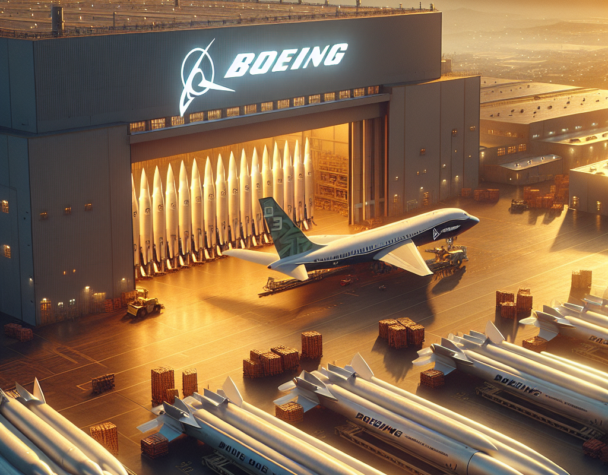
Boeing Buys Spirit; PAC‑3 Win Boosts Defense Stock
Wed, December 10, 2025Boeing Seals Spirit Deal and Lands Major PAC‑3 Contract
Over the past week Boeing made two concrete moves that directly affect its operations and investor outlook: the completion of its acquisition of Spirit AeroSystems and a multiyear award to produce PAC‑3 missile seekers. Together, these developments aim to reorganize Boeing’s supply chain while bolstering predictable defense revenue — factors that have already nudged BA shares higher but introduce new integration and regulatory workstreams.
What Closed the Week: The Spirit AeroSystems Acquisition
Boeing announced the closing of its purchase of Spirit AeroSystems, a long‑time fuselage supplier for Boeing narrow‑body jets. The headline cash component of the transaction was reported around $4.7 billion, while the total enterprise value including debt approaches roughly $8.3 billion. The deal reverses years of outsourcing and brings a critical manufacturing capability back under Boeing’s direct control.
Why this matters
- Supply‑chain control: Owning Spirit gives Boeing direct oversight of fuselage production and spare parts that historically created bottlenecks and quality reviews.
- Quality and schedule leverage: In‑house production can reduce friction between design, assembly and inspection teams, potentially shortening recovery cycles when issues arise.
- Regulatory requirements: The U.S. Federal Trade Commission imposed conditions requiring divestiture of Spirit assets that supply non‑Boeing customers (notably facilities tied to Airbus production), which complicates integration and will require careful execution.
Market reaction was positive but cautious: BA shares rose after the announcement, reflecting investor relief over a clearer supply‑chain strategy even as analysts weigh integration costs and the impact of mandated asset sales.
Defense Win: Multiyear PAC‑3 Seeker Contract
Concurrently, Boeing secured a significant defense contract to supply Patriot Advanced Capability‑3 (PAC‑3) missile seekers over multiple years. The award is valued at roughly $2.7 billion and spans deliveries through 2030, with production capacity scaled to deliver up to several hundred units annually.
Operational and revenue implications
- Revenue visibility: Multiyear production schedules create a predictable revenue stream and better capacity planning across Boeing’s defense operations.
- Facility investments: Boeing has expanded production facilities (notably in Huntsville, Alabama) to meet the contract’s cadence, which can lift defense margins over time if execution remains steady.
- Stock impact: The contract provided only a modest immediate bump in BA shares, suggesting the market values the deal for steady income but still prizes higher‑growth or higher‑margin catalysts.
Investor Takeaways: Risk, Reward, and Near‑Term Catalysts
These two clear events—an in‑sourcing of a major supplier and a long‑term defense production win—reshape Boeing’s near‑term profile. On the plus side, bringing fuselage production in‑house reduces reliance on third parties and should help stabilise deliveries over time. The PAC‑3 contract strengthens Boeing’s defense backlog, offering reliable cash flow through 2030.
On the other hand, integration of Spirit and the FTC‑mandated divestitures add execution risk and near‑term costs. Investors should expect transitional headwinds: integration expenses, potential disruptions during asset carve‑outs, and scrutiny from regulators. Market responses this week suggest optimism tempered by these known risks — BA shares rose but not dramatically, reflecting a measured vote of confidence.
Conclusion
Boeing’s completion of the Spirit AeroSystems purchase and the PAC‑3 seeker award are tangible developments that directly affect the company’s operational control and revenue profile. Together they signal a strategic pivot toward greater manufacturing control and steady defense income. Execution over the next 12–24 months — handling divestitures, integrating teams and ramping missile‑seeker production — will determine whether these moves translate into sustained stock outperformance.