
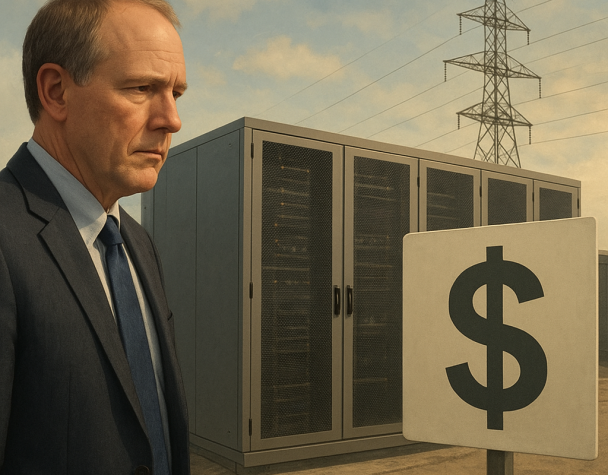
Virginia's New Policy on Data Center Costs: Implications for AEP and the Utility Sector
Sun, August 16, 2026Virginia’s New Policy on Data Center Costs: Implications for AEP and the Utility Sector
In a significant policy shift, Virginia has mandated that data centers bear the financial responsibility for electricity infrastructure dedicated exclusively to their operations. This move aims to alleviate the burden on everyday consumers who have faced rising electricity prices due to the rapid expansion of artificial intelligence (AI) facilities. As a major player in the utility sector, American Electric Power (AEP) is poised to experience the ripple effects of this decision.
Virginia’s Policy Change: A Closer Look
Virginia, home to over 570 data centers, has become the largest hub for such facilities in the United States. The exponential growth of AI operations has placed immense stress on the state’s power systems, leading to a 76% increase in electricity prices, according to PJM Interconnection and Monitoring Analytics. Previously, utilities distributed infrastructure costs across all customers. However, the State Corporation Commission now requires data centers to finance the infrastructure they exclusively utilize. Governor Abigail Spanberger emphasized that this reform is designed to save Virginians “hundreds of millions of dollars” and ensure fairness. This initiative aligns with a national push for AI companies to fund their own infrastructure needs, with other states like Oregon implementing similar measures.
Potential Impact on AEP
AEP, one of the nation’s largest electric utility companies, serves over five million customers across 11 states, including Virginia. The company’s extensive transmission network and significant generating capacity position it as a key player in the region’s energy landscape.
The new policy could have several implications for AEP:
- Revenue Streams: With data centers now responsible for their infrastructure costs, AEP may experience changes in revenue from infrastructure development projects.
- Operational Adjustments: AEP might need to adapt its operational strategies to accommodate the financial shifts resulting from the policy change.
- Customer Relations: The policy aims to prevent everyday consumers from subsidizing data center costs, potentially improving customer satisfaction and trust in utility providers like AEP.
Broader Industry Implications
This policy shift reflects a growing trend of holding large-scale energy consumers accountable for their infrastructure needs. As AI-driven energy demand continues to rise, other states may adopt similar measures, prompting utilities nationwide to reassess their financial and operational strategies.
For investors and stakeholders in the utility sector, understanding these policy changes is crucial. Companies like AEP must navigate the evolving regulatory landscape to maintain financial stability and customer trust.
Conclusion
Virginia’s decision to require data centers to fund their dedicated infrastructure marks a pivotal moment in the utility sector. For AEP and similar companies, this policy change necessitates strategic adjustments to align with the new financial responsibilities of large-scale energy consumers. As the industry continues to evolve, staying informed and adaptable will be key to navigating these developments.