
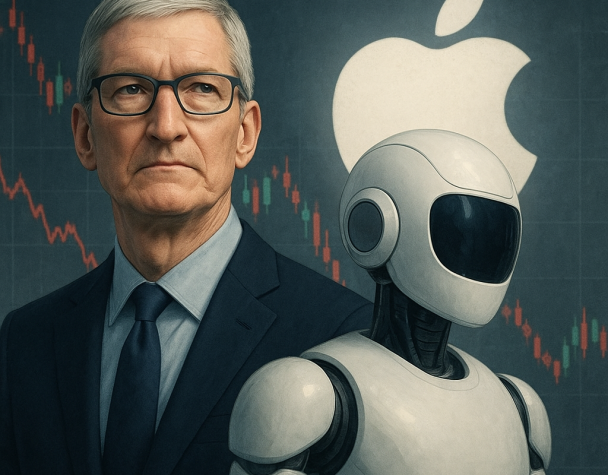
Apple's Leadership Changes and AI Expansion Amid Stock Market Challenges
Thu, August 13, 2026Apple’s Stock Performance and Strategic Initiatives
As of August 12, 2026, Apple Inc. (AAPL) shares closed at $302.25, reflecting a slight decline of 0.94% from the previous day. This movement comes amidst a series of strategic decisions and market dynamics influencing the company’s valuation.
Recent Stock Performance
Apple’s stock has experienced fluctuations in recent weeks. The current price of $302.25 represents a modest decrease, with intraday trading seeing a high of $305.52 and a low of $300.59. The company’s market capitalization stands at approximately $4.45 trillion, underscoring its significant presence in the technology sector.
Strategic Developments
Several key developments have shaped Apple’s recent trajectory:
- Leadership Transition: In April 2026, Apple announced that CEO Tim Cook would step down on September 1, 2026, to be succeeded by John Ternus, the Senior Vice President of Hardware Engineering. Cook is slated to become Executive Chairman of the Board, while Arthur Levinson will transition to the role of Lead Independent Director.
- AI Integration: In January 2026, Apple partnered with Google Gemini to enhance Siri’s capabilities with advanced artificial intelligence, aiming to provide a more personalized user experience.
- Acquisition of Q.ai: Also in January 2026, Apple acquired Israeli AI startup Q.ai, specializing in imaging and machine learning technologies for audio processing. The acquisition, estimated at nearly $2 billion, is Apple’s second-largest to date.
Market Dynamics
Despite these strategic moves, Apple faces challenges:
- Stock Decline: The company has seen a 19% decline in stock value year-to-date, influenced by factors such as antitrust investigations and legal disputes involving the App Store.
- Competitive Landscape: Rivals in the AI space are gaining ground, intensifying competition and pressuring Apple’s market position.
- Political Pressures: Calls for Apple to manufacture iPhones domestically or face tariffs have added to the company’s challenges.
Conclusion
Apple’s recent stock performance reflects a complex interplay of strategic initiatives and market challenges. The upcoming leadership transition, AI advancements, and acquisitions position the company for future growth. However, external pressures and competitive dynamics necessitate careful navigation to maintain and enhance shareholder value.