
U.S. Stock Markets Fluctuate as Trade Tensions and Economic Data Create Uncertainty
Sat, August 01, 2026U.S. Stock Markets Fluctuate as Trade Tensions and Economic Data Create Uncertainty
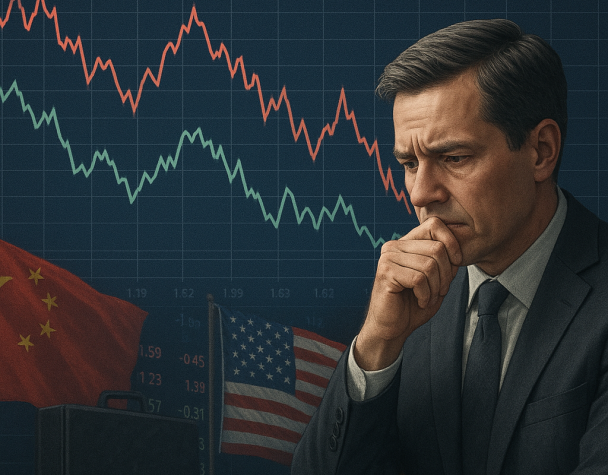
On August 1, 2026, U.S. stock markets exhibited notable volatility, influenced by escalating geopolitical tensions and mixed economic indicators. The S&P 500, Dow Jones Industrial Average, and NASDAQ Composite all experienced fluctuations throughout the trading day.
Market Performance Overview
The S&P 500 closed at 7,412.84, marking a slight increase of 0.65% from the previous close. The Dow Jones Industrial Average ended the day at 36,524.32, up 0.51%, while the NASDAQ Composite rose by 0.59% to close at 14,687.99. These modest gains came after a day of significant intraday swings, reflecting investor uncertainty.
Geopolitical Tensions Impacting Markets
Recent developments in international relations have contributed to market instability. The U.S. administration’s announcement of potential new tariffs on European imports has raised concerns about a possible trade war. This move follows previous tariff threats that led to market downturns, such as the January 20, 2026, crash triggered by similar actions. Investors are wary of the potential economic repercussions of escalating trade disputes.
Economic Indicators and Corporate Earnings
Economic data released this week presented a mixed picture. The latest jobs report indicated a slowdown in employment growth, with only 150,000 new jobs added in July, below economists’ expectations. Additionally, the Consumer Price Index (CPI) showed a 0.3% increase, suggesting persistent inflationary pressures.
On the corporate front, earnings reports from major technology companies were mixed. While some firms reported better-than-expected profits, others issued cautious guidance for the upcoming quarters, citing supply chain disruptions and uncertain demand.
Investor Sentiment and Market Outlook
Investor sentiment remains cautious amid the confluence of geopolitical tensions and economic uncertainties. Analysts suggest that markets may continue to experience volatility in the near term as they digest ongoing developments. Market participants are advised to stay informed and consider diversifying their portfolios to mitigate potential risks.
Conclusion
The U.S. stock markets’ recent volatility underscores the complex interplay between geopolitical events and economic indicators. As the situation evolves, investors should remain vigilant and adaptable to navigate the uncertain landscape effectively.