
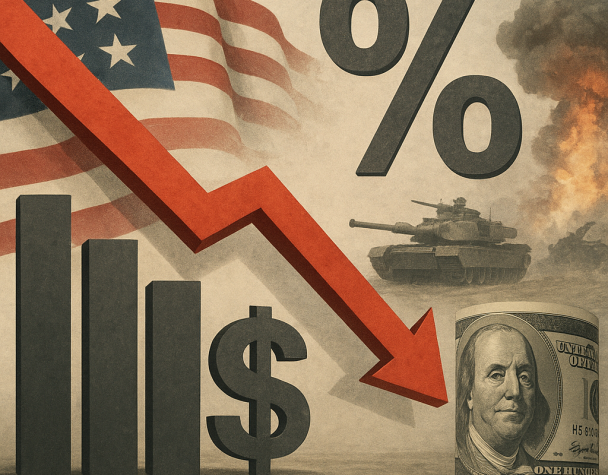
U.S. Markets Face Headwinds from Inflation Surge and Global Conflicts
Tue, July 21, 2026U.S. Markets Face Headwinds from Inflation Surge and Global Conflicts
On July 21, 2026, U.S. stock markets experienced notable fluctuations as investors responded to the latest inflation data and escalating geopolitical tensions. The S&P 500 and Nasdaq Composite indices both declined, while the Dow Jones Industrial Average remained relatively stable.
Market Performance Overview
The S&P 500 fell by 0.6% to close at 7,543 points, and the Nasdaq Composite dropped 1.1% from its previous close of 26,830.96. In contrast, the Dow Jones Industrial Average held steady near its record of 51,561.93, up 0.07%.
Inflation Data and Federal Reserve Signals
Investors were particularly attentive to the latest inflation figures, which showed a stronger-than-expected increase in the Producer Price Index (PPI). This data has heightened concerns about potential interest rate hikes by the Federal Reserve. The central bank’s cautious outlook further contributed to market unease.
Geopolitical Tensions and Oil Prices
Escalating tensions in the Middle East have also impacted market sentiment. Brent crude oil prices surged above $110 per barrel, raising concerns about global economic stability and contributing to the decline in stock indices.
Sector-Specific Movements
Technology stocks were among the hardest hit, with the Nasdaq Composite’s decline reflecting investor apprehension about high valuations in the sector. Conversely, the Dow Jones Industrial Average’s stability was supported by gains in airline and travel stocks, which benefited from falling crude oil prices.
Conclusion
The interplay of rising inflation, Federal Reserve policies, and geopolitical developments continues to create a complex environment for investors. Market participants are closely monitoring these factors to navigate the evolving economic landscape.