
S&P 500 Falls, Nasdaq Drops: Oil and Yields Hit US
Mon, May 18, 2026Introduction
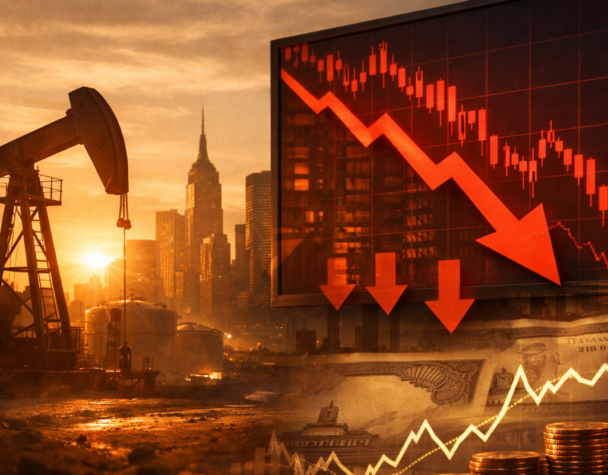
U.S. benchmark indices retreated after a recent run of record highs as a concrete mix of higher crude oil prices and rising Treasury yields forced investors to reassess valuations. Over the most recent session, the S&P 500 dropped roughly 1.24% to 7,408.50, the Dow Jones Industrial Average slipped about 1.07% to 49,526.17, and the Nasdaq Composite led the pullback with a 1.54% decline to 26,225.14. This article breaks down the drivers behind the move, the immediate implications for major sectors, and the key catalysts to watch in the coming days.
What Triggered the Pullback
Oil Prices Reignite Inflation Concerns
Brent crude retraced toward the low-$110s per barrel and WTI traded above $100, tightening inflation expectations. When energy costs climb, economists and investors alike anticipate a faster pace of price increases, which pressures real-term corporate earnings and compresses equity multiples—especially for high-multiple growth names. The recent uptick in oil heightened concerns that inflation could stay stickier than hoped, prompting repositioning across asset classes.
Treasury Yields Push Higher
Concurrent with oil, benchmark Treasury yields moved upward, increasing the discount rate applied to future earnings and disproportionately affecting growth and tech sectors. The rise in yields reduces the present value of long-duration cash flows, making investors less willing to pay premium prices for speculative or long-horizon growth stories.
Index and Sector Impacts
S&P 500: A Technical Check at 7,400
The S&P 500’s decline brought it toward the 7,400 support zone—a level traders are watching for signs of either consolidation or further correction. A sustained break below that threshold could broaden defensive positioning and rotate capital into value, cyclicals, and dividend-paying names.
Dow 30: Below the 50,000 Milestone
The Dow dipping beneath 50,000 is symbolic but instructive: blue-chip industrial and energy names faced mixed reactions as the inflation-versus-growth trade continued. Economically sensitive constituents may outperform if inflation expectations prompt real-economy resilience, while highly rate-sensitive names lag.
Nasdaq: Growth Names Take the Lead on Losses
The Nasdaq’s steeper decline reflects sensitivity among large-cap tech and AI-linked stocks to rising yields. When discount rates climb, the valuations of firms priced on long-term earnings projections are the first to adjust downward.
Near-Term Catalysts and What to Watch
Nvidia Earnings — The AI Barometer
Nvidia’s upcoming report is being framed as a key test for the AI-driven rally. Strong revenue and margin guidance could restore risk appetite across growth names; conversely, any softness may deepen the re-rating already underway due to macro pressure.
Inflation Data and Energy Supply Signals
Weekly oil inventories, geopolitical headlines that affect supply, and high-frequency inflation indicators will likely influence positioning. Persistent rises in energy costs or surprising inflation prints could keep yields elevated and equities under pressure.
Positioning Guidance
Investors should consider the following practical steps: trim concentrated positions in long-duration growth names if risk tolerance is low; evaluate quality cyclicals and energy exposure as inflation hedges; and monitor bond-market signals closely—especially the yield curve and real yields. For longer-term portfolios, focus on diversified allocations that blend growth exposure with value and income-generating assets to reduce sensitivity to rate swings.
Conclusion
The recent pullback across the S&P 500, Dow, and Nasdaq is rooted in tangible developments: climbing crude prices and higher Treasury yields. These forces are reshaping expectations for inflation and discount rates, prompting a re-evaluation of stretched valuations—particularly among tech and AI-linked names. Nvidia’s earnings and incoming inflation data will be important near-term catalysts; until those data points arrive, market behavior is likely to be driven by how investors interpret oil dynamics and yield movements.